
Food
What Really Happens When Pet Food Passes Its Expiry Date

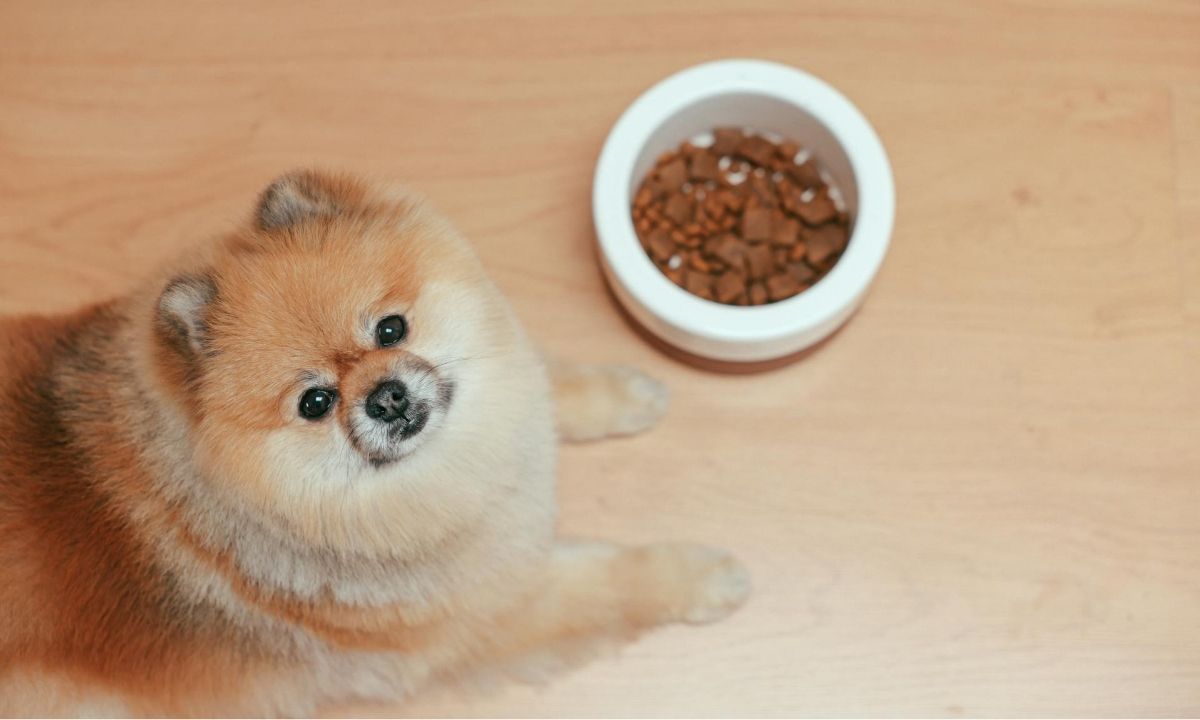
Almost everyone with a pet has probably had this moment before. There’s an old bag of kibble sitting somewhere in the kitchen or storage cabinet. The expiry date passed a week ago. Maybe two. The bag still looks okay though. No weird colour. No awful smell. The dog still eats it without hesitation. So the thought becomes: it should be fine. And honestly, that’s exactly why expired pet food gets overlooked so easily. Nothing about it seems serious at first.
The issue is that pet food usually doesn’t go bad in a way that’s immediately obvious. It happens gradually. The quality starts declining over time, and most people don’t realise it until something feels slightly off.
Dry food especially changes gradually. The oils inside it start breaking down little by little. Heat speeds that up. Humidity makes it worse. Even how the bag was stored during shipping can affect freshness before it ever reaches a store shelf. That’s the part people rarely think about because once the bag gets home, it already feels “safe.”
The Expiry Date Isn’t the Only Thing That Matters
A surprising amount depends on where the food has been before someone buys it. A sealed bag sitting in an air-conditioned storage facility is one thing. A bag sitting in the back of a delivery truck during a heatwave is something completely different. Same product, completely different conditions. And pet food travels a lot more than most people realise.
Factories. Warehouses. Shipping containers. Stockrooms. Delivery vans. Retail shelves. Sometimes products sit in multiple places before finally ending up in someone’s kitchen. Every extra stop adds another chance for heat exposure, damaged packaging, or moisture getting in.
The U.S. Food and Drug Administration still recommends storing pet food somewhere cool and dry and sealing it properly after opening because humidity and temperature changes can affect quality faster than expected. And realistically, most people only start paying attention after something feels slightly wrong.
Maybe the dog suddenly seems less excited at feeding time. Maybe the food smells a little different, but not bad enough to immediately throw away. Maybe there’s mild stomach discomfort for a day or two and nobody connects it to the food at first. That’s usually how these situations happen. Quietly.
A Lot Can Go Wrong Before the Food Even Reaches Homes
Most discussions about expired pet food focus on mistakes people make at home. Leaving the bag open too long. Storing it near heat. Pouring everything into random containers. Those things absolutely matter, but they’re only part of the story. A lot happens before consumers even buy the product.
The pet food industry became much larger and more complicated over the last few years. Online ordering increased. International shipping increased. Warehousing demands increased. Products now spend more time moving around distribution networks before reaching customers. Longer supply chains naturally create more room for inconsistency.
That’s one reason retailers have started paying more attention to transportation and storage standards, especially when working with experienced dog food suppliershandling large-scale distribution.
During the European heatwaves in 2025, consumer groups raised concerns about pet food being stored in overheated backrooms and temporary storage areas for long periods. Large manufacturers generally have strict systems already in place, but smaller facilities and third-party storage locations don’t always maintain the same consistency. And honestly, that’s where a lot of the risk quietly builds up.
Food can still look perfectly normal while freshness has already started declining inside the packaging.
Pets Usually Notice Before Humans Do
Veterinarians talk about this more often now because pets sometimes react to compromised food before owners notice anything visually wrong. And the signs are not always that major.
Sometimes a dog simply stops finishing meals as quickly as usual. Sometimes there’s mild vomiting or loose stools that seem random at first. Sometimes pets act slightly less energetic for a few days and nobody immediately connects it back to the food.
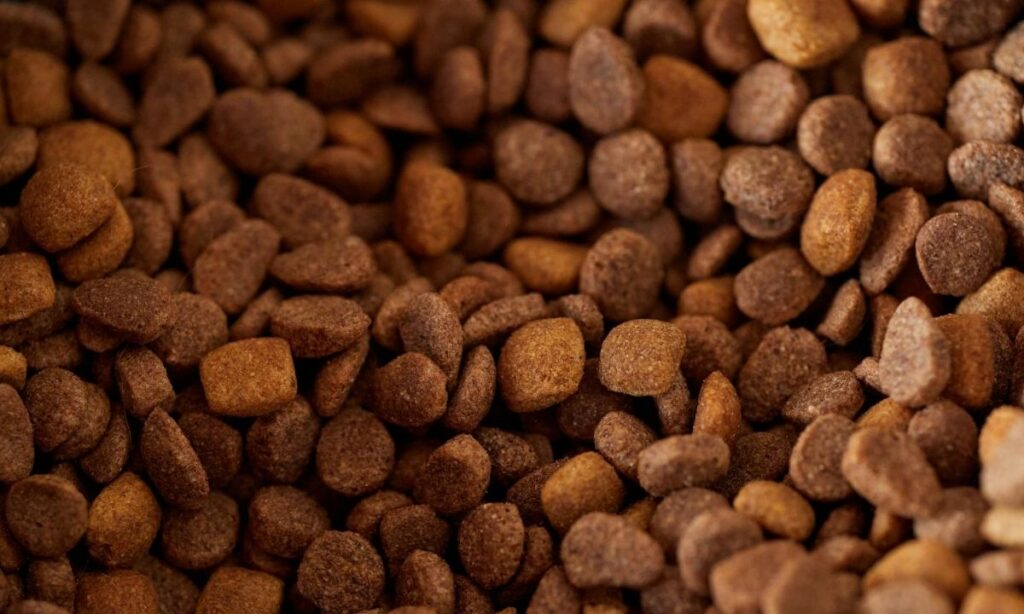
Then there are the physical signs people tend to overlook until later. Clumping inside dry food. A greasy feel inside the bag. Slightly swollen packaging. Smells that seem unusual but hard to describe properly.
The American Veterinary Medical Association also recommends keeping pet food in its original packaging rather than dumping everything into decorative containers right away because the original packaging helps preserve storage information and freshness protection.
People Pay Attention Differently Now
A few years ago, most buyers mainly focused on price or flavour options. That’s changed quite a bit. People now ask questions about sourcing, warehouse conditions, delivery timelines, and freshness standards during transportation.
Social media changed a lot of consumer behaviour too. One image of spoiled pet food online spreads fast, especially when pets are involved. Trust disappears quickly once people think a company has been careless with animal health. Because of that, retailers and distributors are under more pressure than before to improve storage conditions, rotate stock properly, and avoid expired products sitting around unnoticed for months.
Closing Thoughts
Expired pet food is not always immediately dangerous, but ignoring expiry dates completely is still not a great idea either.
In many cases, the bigger issue is everything that happened before the bag even got opened, such as heat during shipping, long storage periods, damaged seals, warehouse conditions, and inconsistent handling across the supply chain.
Consumers simply notice those details more now than they used to. And realistically, the industry was always going to be pushed in that direction eventually.

How Newly Arrived Immigrants in the UK Can Stay Financially Compliant

Top Health Colleges in the Middle East in 2026

What Really Happens When Pet Food Passes Its Expiry Date

How Dry and Wet Pet Food Are Made and Why Ingredients Matter

Tennis Chain Durability: Diamond Setting, Structural Strength, and Long-Term Wear

3 Steps to a Successful Quinceanera

Building Stronger Communities Through Corporate Partnerships

Understanding Professional Networks for Expert Knowledge

General Audience: Key Considerations When Evaluating Ai Orchestration by Ba Insight

Creating Outdoor Spaces That Balance Comfort, Atmosphere, and Weather Resilience

Christina Erika Carandini Lee: A Life of Grace, Heritage, and Privacy

Trey Kulley Majors: The Untold Story of Lee Majors’ Son

Nick Schmit? The Man Behind Jonathan Capehart Success

Jamie White-Welling: Bio, Career, and Hollywood Connection Life with Tom Welling

Linda Bazalaki — Life After the Crown, Miss Uganda 1993

Api Robin: The Quiet Force Supporting Celeste Barber

Melanie Sergiev: The Woman Behind Drew Lynch’s Success Story

Vera Davich: The Enigmatic Life of Scott Patterson’s First Wife

Kamiri Gaulden: What You Should Know About NBA YoungBoy

Talia Elizabeth Jones: Her Life, Parents, and Connection to Davy Jones
How Newly Arrived Immigrants in the UK Can Stay Financially Compliant
Top Health Colleges in the Middle East in 2026
What Really Happens When Pet Food Passes Its Expiry Date
How Dry and Wet Pet Food Are Made and Why Ingredients Matter
Tennis Chain Durability: Diamond Setting, Structural Strength, and Long-Term Wear
3 Steps to a Successful Quinceanera
Building Stronger Communities Through Corporate Partnerships
Understanding Professional Networks for Expert Knowledge
General Audience: Key Considerations When Evaluating Ai Orchestration by Ba Insight
Creating Outdoor Spaces That Balance Comfort, Atmosphere, and Weather Resilience
-
 Celebrity1 year ago
Christina Erika Carandini Lee: A Life of Grace, Heritage, and Privacy
-
 Celebrity1 year ago
Trey Kulley Majors: The Untold Story of Lee Majors’ Son
-
 Celebrity1 year ago
Nick Schmit? The Man Behind Jonathan Capehart Success
-
 Celebrity1 year ago
Jamie White-Welling: Bio, Career, and Hollywood Connection Life with Tom Welling