
Food
How Dry and Wet Pet Food Are Made and Why Ingredients Matter

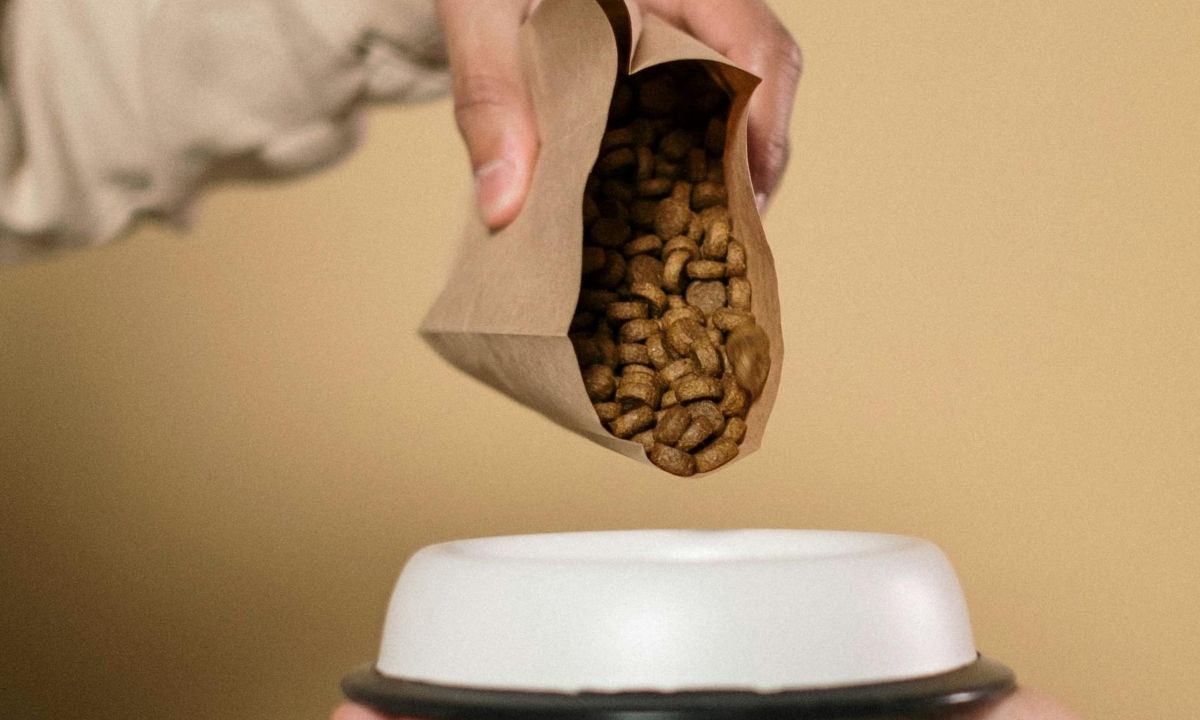
Pet food has become strangely complicated. Not long ago, most shoppers barely spent two minutes in the pet aisle. A familiar brand, a flavour the dog liked, maybe a quick glance at the price that was enough. Now the shelves look completely different. Bags are covered with phrases like “human-grade,” “slow cooked,” “high-protein recipe,” and “natural ingredients.” Some products look more like expensive meal kits than pet food. Even the packaging has changed. Matte finishes, muted colours, clean typography. Everything is designed to look healthier.And honestly, some of it probably is better than what was sold years ago. But some of it is branding dressed up as nutrition advice.
A surprising number of people still don’t know what actually separates dry food from wet food beyond texture. The manufacturing process is very different, and that affects everything from shelf life to ingredient quality.
Dry Food Is Built Around Shelf Stability
Kibble is made to survive storage. That’s really the whole system. Proteins, carbohydrates, lipids, powdered supplements, and binding substances make up the majority of dry foods. The mixture is shaped into small pieces by heating, compressing, and pushing it via industrial machinery. The food is then dried until the moisture content is low enough to prevent the growth of germs and mould. The lengthy shelf life of dry food in kitchens, warehouses, and supermarkets is due to its low moisture content.
On paper, the procedure seems straightforward, but from a production perspective, it’s actually rather demanding. Heat and pressure help with food safety, but they can also reduce certain nutrients during production. That’s why many companies add vitamins and oils back onto the kibble later.
Something else rarely mentioned is smell. Freshly processed kibble does not always smell particularly appealing on its own. A lot of brands coat the surface with fats or flavour sprays afterwards because pets respond heavily to aroma. Some cheaper foods rely on that trick more than others.
Wet Food Works Differently from The Start
Wet food follows almost the opposite logic. Manufacturers lock moisture inside the product rather than removing it, and therefore rely on sterilisation to keep it safe. Before being put into cans or pouches, ingredients are combined to create meat pieces, pâtés, or gravy-style combinations. The harmful microbes are subsequently eliminated by heating the sealed packing. That process gives wet food its softer texture and stronger smell.
Anyone who has opened a can of dog food already knows the aroma is immediate. Pets notice it too. Older dogs, especially, often prefer wet food because it’s easier to chew and tends to be more appetising.
Hydration is another reason some owners lean towards wet food. Dogs that barely touch their water bowls can end up getting additional moisture through meals instead. But ingredient transparency becomes important here because quality varies massively between brands. One label might clearly mention chicken breast, beef liver, carrots, and peas. Another might simply list “animal derivatives” without much explanation at all. That difference matters more now because buyers are paying attention in ways they didn’t before.

Preservatives Get Demonised — Sometimes Fairly, Sometimes Not
Preservatives have become one of those topics that instantly divides people online. Some consumers avoid them completely. Others don’t.
Pet food needs preservation. Without it, fats spoil quickly and bacteria become a serious issue during transport and storage. The actual discussion revolves around the methods utilised to preserve food.
Because they help preserve freshness without excessively depending on synthetic chemicals, natural preservatives like citric acid, rosemary extract, and tocopherols are increasingly often found in many premium products.
Certain recipes still contain artificial preservatives like BHA and BHT. Although many consumers still find it unsettling to see them on labels, they are nonetheless legally permitted in limited numbers.That discomfort has changed buying habits. People are reading ingredient panels more carefully now instead of relying entirely on advertising claims printed across the front of the bag.
The Pet Food Manufacturers’ Association recently noted that younger buyers are spending more time researching pet nutrition before purchasing, particularly as pets become more integrated into lifestyle and wellness spending.
Buyers Are Looking Past the Packaging
Good packaging can make almost any product look premium now. That’s true in skincare, supplements, coffee and definitely pet food.
Words like “natural” or “wholesome” don’t often have much meaning unless they are supported by the ingredient list. That’s partly why products such as grain free dog food continue attracting attention from buyers looking for simpler recipes and clearer ingredient sourcing.
Customers have also grown more sceptical at the same time. Expensive branding is no longer sufficient on its own. People are curious in the origins of products, food processing methods, and the accuracy of nutritional claims. Because of this change, brands now have to be more open than they were even a few years ago.
The Industry Looks Different Now
The pet food market has changed. Buyers are more concerned with new questions every few months, ingredient lists are under more scrutiny, and manufacturers are being pushed to explain their processes more openly.
Every internet nutrition discussion won’t be resolved by knowing how dry and wet food is made. But it does make it easier to separate useful information from polished marketing. And right now, there’s a lot of polished marketing in the pet food industry.

How Newly Arrived Immigrants in the UK Can Stay Financially Compliant

Top Health Colleges in the Middle East in 2026

What Really Happens When Pet Food Passes Its Expiry Date

How Dry and Wet Pet Food Are Made and Why Ingredients Matter

Tennis Chain Durability: Diamond Setting, Structural Strength, and Long-Term Wear

3 Steps to a Successful Quinceanera

Building Stronger Communities Through Corporate Partnerships

Understanding Professional Networks for Expert Knowledge

General Audience: Key Considerations When Evaluating Ai Orchestration by Ba Insight

Creating Outdoor Spaces That Balance Comfort, Atmosphere, and Weather Resilience

Christina Erika Carandini Lee: A Life of Grace, Heritage, and Privacy

Trey Kulley Majors: The Untold Story of Lee Majors’ Son

Nick Schmit? The Man Behind Jonathan Capehart Success

Jamie White-Welling: Bio, Career, and Hollywood Connection Life with Tom Welling

Linda Bazalaki — Life After the Crown, Miss Uganda 1993

Api Robin: The Quiet Force Supporting Celeste Barber

Melanie Sergiev: The Woman Behind Drew Lynch’s Success Story

Vera Davich: The Enigmatic Life of Scott Patterson’s First Wife

Kamiri Gaulden: What You Should Know About NBA YoungBoy

Talia Elizabeth Jones: Her Life, Parents, and Connection to Davy Jones
How Newly Arrived Immigrants in the UK Can Stay Financially Compliant
Top Health Colleges in the Middle East in 2026
What Really Happens When Pet Food Passes Its Expiry Date
How Dry and Wet Pet Food Are Made and Why Ingredients Matter
Tennis Chain Durability: Diamond Setting, Structural Strength, and Long-Term Wear
3 Steps to a Successful Quinceanera
Building Stronger Communities Through Corporate Partnerships
Understanding Professional Networks for Expert Knowledge
General Audience: Key Considerations When Evaluating Ai Orchestration by Ba Insight
Creating Outdoor Spaces That Balance Comfort, Atmosphere, and Weather Resilience
-
 Celebrity1 year ago
Christina Erika Carandini Lee: A Life of Grace, Heritage, and Privacy
-
 Celebrity1 year ago
Trey Kulley Majors: The Untold Story of Lee Majors’ Son
-
 Celebrity1 year ago
Nick Schmit? The Man Behind Jonathan Capehart Success
-
 Celebrity1 year ago
Jamie White-Welling: Bio, Career, and Hollywood Connection Life with Tom Welling