
Health
What Mold Exposure Does to Your Body

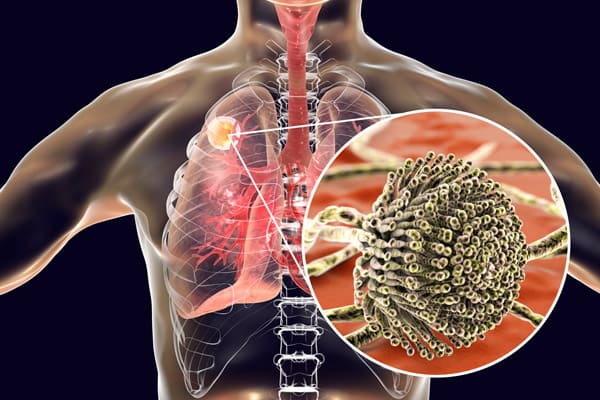
Mold is a natural part of the environment, but indoors it can become a serious problem. Many dismiss small patches of mold or musty smells as minor issues, but they often overlook the potential health risks. Understanding these dangers is key to protecting yourself and your family.
Understanding Different Types of Mold
Not all molds are created equal. While thousands of mold species exist, they are often grouped based on their potential health impacts. Knowing the common types found indoors can help you understand the risks.
Allergenic Molds
These are the most common types of mold found in homes and are a frequent cause of allergic reactions. While they are typically less dangerous, they can still cause significant discomfort for sensitive individuals. Common examples include Alternaria, Aspergillus, and Penicillium. Exposure can trigger symptoms like sneezing, itchy eyes, and skin rashes.
Pathogenic Molds
Pathogenic molds can cause infections in people, especially those with weakened immune systems. While a healthy person might not be affected, individuals who are immunocompromised can develop serious lung infections or other health issues. Aspergillus fumigatus is a well-known pathogenic mold that can lead to a condition called aspergillosis.
Toxigenic Molds
Often referred to as “toxic mold,” these types produce mycotoxins, which are harmful substances that can lead to severe health problems. Stachybotrys chartarum, commonly known as black mold, is the most infamous example. Exposure to mycotoxins can result in a wide range of serious symptoms, affecting the respiratory system, nervous system, and more. It’s important to note that not all black-colored molds are toxigenic, but any suspected growth should be handled with caution.
Common Symptoms of Mold Exposure
The health symptoms linked to mold exposure can be varied and are often mistaken for other conditions, like the common cold or seasonal allergies. Symptoms can be grouped into several categories depending on how the body reacts.
Respiratory and Allergic Reactions
The most immediate and common reactions to mold involve the respiratory system. When mold spores are inhaled, they can irritate the airways and trigger an immune response. This often leads to:
- Persistent coughing and wheezing
- Sneezing and a runny or stuffy nose
- Itchy, watery eyes
- Sore throat
- Shortness of breath
- Asthma attacks in individuals with pre-existing asthma
For people with mold allergies, these symptoms can be more severe and chronic. Long-term exposure can even lead to the development of asthma in individuals who did not previously have it.
Neurological Symptoms
Certain molds, particularly toxigenic ones, can produce mycotoxins that affect the nervous system. While research is ongoing, many individuals exposed to toxic mold report experiencing neurological issues, including:
- Headaches and migraines
- Memory problems and “brain fog”
- Difficulty concentrating
- Anxiety and depression
- Numbness or tingling in the limbs
- Dizziness and fatigue
These symptoms can be debilitating and significantly impact a person’s quality of life. Because they overlap with many other conditions, it can be difficult to link them directly to mold without a thorough investigation of one’s living environment.
Who is Most Vulnerable?
While anyone can be affected by mold, certain groups are at a higher risk of developing severe health problems from exposure.
- Children and Infants: Their immune and respiratory systems are still developing, making them more susceptible to the effects of mold. Studies have shown a link between early childhood mold exposure and the development of asthma.
- The Elderly: As people age, their immune systems naturally weaken, making it harder for their bodies to fight off mold-related infections and inflammation.
- Immunocompromised Individuals: People with conditions like HIV/AIDS, cancer patients undergoing chemotherapy, or organ transplant recipients are at a high risk for severe infections from pathogenic molds.
- People with Chronic Respiratory Conditions: Individuals with asthma, COPD, or chronic allergies often experience a significant worsening of their symptoms when exposed to mold.
Long-Term Health Risks of Mold Exposure
If left unaddressed, chronic mold exposure can lead to more serious and lasting health complications. The continuous inflammation and immune system response can take a toll on the body.
Potential long-term risks include:
- Chronic Inflammatory Response Syndrome (CIRS): A complex, multi-symptom illness that can occur after exposure to biotoxins, including mycotoxins from mold.
- Hypersensitivity Pneumonitis: An immune system disorder in which the lungs become inflamed as an allergic reaction to inhaled dust, fungus, or molds.
- Permanent Lung Damage: In severe cases, particularly with infections like aspergillosis, long-term mold exposure can cause irreversible damage to lung tissue.
- Neurological Impairment: Ongoing exposure to mycotoxins may lead to long-term cognitive and neurological deficits.
Preventing Mold and Keeping Your Home Safe
The best way to avoid the health risks of mold is to prevent it from growing in the first place. Mold thrives in damp, humid environments, so controlling moisture is key.
- Control Humidity: Keep indoor humidity levels below 50% using dehumidifiers and air conditioners.
- Ensure Proper Ventilation: Use exhaust fans in kitchens and bathrooms to vent moisture outside. Make sure your clothes dryer also vents outdoors.
- Fix Leaks Promptly: Repair any leaks in your roof, plumbing, or foundation as soon as they are discovered.
- Clean and Dry Wet Areas: If you experience a flood or water damage, clean and dry the affected area thoroughly within 24-48 hours to prevent mold growth.
- Address Existing Mold: For small areas of mold on hard surfaces, you can often clean it yourself with a detergent and water solution. For larger infestations (more than 10 square feet) or mold in your HVAC system, it’s best to call in professionals. Specialized mold removal services, like those available in Salt Lake City, have the equipment and expertise to safely and effectively eliminate mold from your home.
Conclusion
Mold is more than just an unsightly nuisance; it is a potential health hazard that deserves your full attention. From triggering allergies and asthma attacks to causing severe neurological symptoms and long-term illness, the effects of mold exposure can be profound.

5 Ways Healthcare Is Putting Patients First

The Ultimate Guide to MMA Shin Guards

The Hidden Reasons Behind Constipation

Which UK Visa Do You Need to Marry? Fiancé Visa or Marriage Visitor Visa

Essential Gear for New Beekeepers: Building Your First Apiary Kit

A First-Timer’s Guide to Exploring the Na Pali Coast by Boat

What Is Child Custody? A Legal Guide for Parents

Best Affordable Projector Buying Guide for Smart Home Entertainment in 2026

Bus to JB: Cheapest Ticket, Daily Schedule & Tips

The Legal Importance of Correct NADRA Records for Dual Nationals

Nick Schmit? The Man Behind Jonathan Capehart Success

Christina Erika Carandini Lee: A Life of Grace, Heritage, and Privacy

Trey Kulley Majors: The Untold Story of Lee Majors’ Son

Jamie White-Welling: Bio, Career, and Hollywood Connection Life with Tom Welling

Api Robin: The Quiet Force Supporting Celeste Barber

Melanie Sergiev: The Woman Behind Drew Lynch’s Success Story

Linda Bazalaki — Life After the Crown, Miss Uganda 1993

Vera Davich: The Enigmatic Life of Scott Patterson’s First Wife

Kamiri Gaulden: What You Should Know About NBA YoungBoy

Talia Elizabeth Jones: Her Life, Parents, and Connection to Davy Jones
5 Ways Healthcare Is Putting Patients First
The Ultimate Guide to MMA Shin Guards
The Hidden Reasons Behind Constipation
Which UK Visa Do You Need to Marry? Fiancé Visa or Marriage Visitor Visa
Essential Gear for New Beekeepers: Building Your First Apiary Kit
A First-Timer’s Guide to Exploring the Na Pali Coast by Boat
What Is Child Custody? A Legal Guide for Parents
Best Affordable Projector Buying Guide for Smart Home Entertainment in 2026
Bus to JB: Cheapest Ticket, Daily Schedule & Tips
The Legal Importance of Correct NADRA Records for Dual Nationals
-
 Celebrity9 months ago
Nick Schmit? The Man Behind Jonathan Capehart Success
-
 Celebrity9 months ago
Christina Erika Carandini Lee: A Life of Grace, Heritage, and Privacy
-
 Celebrity9 months ago
Trey Kulley Majors: The Untold Story of Lee Majors’ Son
-
 Celebrity10 months ago
Jamie White-Welling: Bio, Career, and Hollywood Connection Life with Tom Welling