
Health
Chipped, Cracked, or Loose Tooth? Here’s What to Do Next

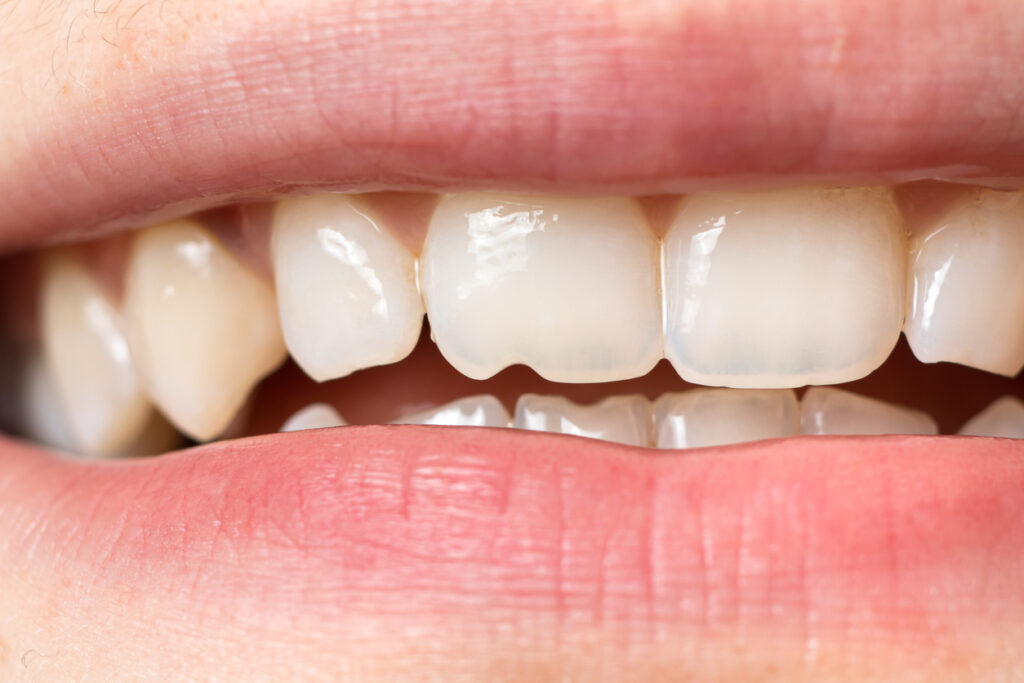
A dental injury can be alarming. One moment you’re enjoying a crunchy snack or playing a sport, and the next you’re dealing with a chipped, cracked, or loose tooth. While your first instinct might be to panic, knowing the right steps to take can make a significant difference in saving your tooth and preventing further complications.
Identifying the Problem
The first step is to figure out the extent of the damage. Is your tooth chipped, cracked, or loose? Each condition has distinct signs and requires a specific approach.
Chipped Tooth
A chipped tooth is one of the most frequent dental injuries. It can happen from biting down on something hard, a fall, or a blow to the face. The chip might be small and painless, or it could be large enough to expose the inner layers of the tooth, causing sensitivity or pain.
Symptoms of a chipped tooth include:
- A rough or uneven surface that you can feel with your tongue.
- Irritation of the tongue or cheek from the sharp edge.
- Pain or sensitivity, especially if a large piece has broken off.
Cracked Tooth
A cracked tooth can be harder to identify than a chipped one. Cracks can be invisible to the naked eye and may not show up on X-rays. They can range from minor craze lines (superficial cracks in the enamel) to fractures that extend below the gum line.
Types of cracked teeth include:
- Craze lines: Tiny, shallow cracks on the outer enamel that are usually harmless.
- Fractured cusp: A piece of the tooth’s chewing surface breaks off.
- Cracked tooth: A crack that extends from the chewing surface vertically toward the root.
- Split tooth: The tooth has split into two distinct segments.
- Vertical root fracture: A crack that begins in the root and extends toward the chewing surface.
Symptoms often include erratic pain when chewing or sensitivity to hot and cold temperatures.
Loose Tooth
In adults, a loose tooth is a serious concern that requires immediate attention. Unlike children’s baby teeth, permanent teeth should never feel wobbly. A loose tooth can result from a direct injury, advanced gum disease (periodontitis), or teeth grinding (bruxism).
Reasons for a loose tooth:
- Trauma: A direct blow can stretch or tear the ligaments holding the tooth in its socket.
- Gum Disease: Bacteria can destroy the bone and gum tissue that support the teeth, causing them to become loose.
- Grinding/Clenching: Constant pressure can damage the periodontal ligaments over time.
Immediate First Aid Steps
After a dental injury, taking the right first aid measures can help manage pain and protect the tooth from further damage until you can see a dentist.
- Rinse Your Mouth: Gently rinse your mouth with warm salt water (dissolve half a teaspoon of salt in a cup of warm water). This helps clean the area and reduce the risk of infection.
- Manage Swelling: If your face is swollen, apply a cold compress to your cheek or lips over the affected area. Use it for 20 minutes on, then 20 minutes off, to help reduce swelling and numb the pain.
- Control Pain: For pain relief, you can take over-the-counter pain relievers like ibuprofen or acetaminophen. Avoid placing aspirin directly on the gums, as it can burn the tissue.
- Protect Your Mouth: If a chipped or cracked tooth has a sharp edge, you can cover it with a piece of sugar-free chewing gum or dental wax to avoid cutting your tongue or cheek.
- Save Any Pieces: If you can find the broken piece of your tooth, save it in a small container with milk or saliva and bring it with you to the dentist.
When to Seek Professional Help
While not every dental issue is an emergency, a chipped, cracked, or loose tooth warrants a visit to the dentist as soon as possible. Delaying treatment can lead to more severe problems, including infection or tooth loss.
You should contact an emergency dentist, like those in Anchorage, if you experience:
- Severe pain that isn’t managed by over-the-counter medication.
- A loose or knocked-out adult tooth.
- Signs of infection, such as fever, swelling, or a pimple-like bump on the gum.
- A large crack or chip that exposes the inside of the tooth.
During your visit, the dentist will examine the tooth, possibly take X-rays to assess the damage, and discuss the best treatment plan with you.
Treatment Options for Damaged Teeth
The treatment for your injured tooth will depend on the type and severity of the damage.
For Chipped Teeth
- Dental Bonding: For small chips, a dentist can apply a tooth-colored composite resin to repair the tooth’s shape.
- Dental Veneer: If the chip is on a front tooth, a thin shell of porcelain or composite resin can be placed over the entire front of the tooth.
- Fillings: If the chip is larger, a filling may be used to restore the tooth.
For Cracked Teeth
- Root Canal Therapy: If the crack has reached the pulp (the soft inner tissue), you may need a root canal to save the tooth. An endodontist specializes in this procedure. After the root canal, the tooth is usually covered with a crown for protection.
- Crown: A dental crown can be placed over a cracked tooth to hold it together and restore its function.
- Extraction: In severe cases where the tooth is split or the crack extends deep below the gum line, extraction may be the only option.
For Loose Teeth
- Splinting: If a tooth is loose due to injury, your dentist might splint it by bonding it to the neighboring teeth for support while it heals.
- Deep Cleaning: If gum disease is the cause, a deep cleaning (scaling and root planing) can help the gums reattach to the teeth.
- Extraction: If the tooth is too loose to be saved, it may need to be extracted and replaced with a dental implant, bridge, or denture.
How to Prevent Dental Injuries
While accidents happen, you can take several precautions to protect your teeth.
- Wear a Mouthguard: If you play contact sports, a custom-fitted mouthguard is essential for protecting your teeth from impact.
- Avoid Chewing Hard Objects: Don’t chew on ice, hard candy, popcorn kernels, or non-food items like pens.
- Maintain Good Oral Hygiene: Brush twice a day, floss daily, and visit your dentist for regular check-ups and cleanings to keep your teeth and gums strong.
- Address Teeth Grinding: If you grind your teeth at night, ask your dentist about a custom night guard to prevent wear and damage.
Conclusion
A chipped, cracked, or loose tooth requires prompt attention. By identifying the issue, taking immediate first-aid steps, and seeking professional help, you can significantly increase the chances of saving your tooth and maintaining your smile. Remember that prevention is always the best approach. Regular dental check-ups and protective habits are your first line of defense against dental emergencies. If you do experience a dental injury, don’t hesitate to contact your dentist right away.

How Newly Arrived Immigrants in the UK Can Stay Financially Compliant

Top Health Colleges in the Middle East in 2026

What Really Happens When Pet Food Passes Its Expiry Date

How Dry and Wet Pet Food Are Made and Why Ingredients Matter

Tennis Chain Durability: Diamond Setting, Structural Strength, and Long-Term Wear

3 Steps to a Successful Quinceanera

Building Stronger Communities Through Corporate Partnerships

Understanding Professional Networks for Expert Knowledge

General Audience: Key Considerations When Evaluating Ai Orchestration by Ba Insight

Creating Outdoor Spaces That Balance Comfort, Atmosphere, and Weather Resilience

Christina Erika Carandini Lee: A Life of Grace, Heritage, and Privacy

Trey Kulley Majors: The Untold Story of Lee Majors’ Son

Nick Schmit? The Man Behind Jonathan Capehart Success

Jamie White-Welling: Bio, Career, and Hollywood Connection Life with Tom Welling

Linda Bazalaki — Life After the Crown, Miss Uganda 1993

Api Robin: The Quiet Force Supporting Celeste Barber

Melanie Sergiev: The Woman Behind Drew Lynch’s Success Story

Vera Davich: The Enigmatic Life of Scott Patterson’s First Wife

Kamiri Gaulden: What You Should Know About NBA YoungBoy

Talia Elizabeth Jones: Her Life, Parents, and Connection to Davy Jones
How Newly Arrived Immigrants in the UK Can Stay Financially Compliant
Top Health Colleges in the Middle East in 2026
What Really Happens When Pet Food Passes Its Expiry Date
How Dry and Wet Pet Food Are Made and Why Ingredients Matter
Tennis Chain Durability: Diamond Setting, Structural Strength, and Long-Term Wear
3 Steps to a Successful Quinceanera
Building Stronger Communities Through Corporate Partnerships
Understanding Professional Networks for Expert Knowledge
General Audience: Key Considerations When Evaluating Ai Orchestration by Ba Insight
Creating Outdoor Spaces That Balance Comfort, Atmosphere, and Weather Resilience
-
 Celebrity1 year ago
Christina Erika Carandini Lee: A Life of Grace, Heritage, and Privacy
-
 Celebrity1 year ago
Trey Kulley Majors: The Untold Story of Lee Majors’ Son
-
 Celebrity1 year ago
Nick Schmit? The Man Behind Jonathan Capehart Success
-
 Celebrity1 year ago
Jamie White-Welling: Bio, Career, and Hollywood Connection Life with Tom Welling