
Education
Understanding How Evidence Is Evaluated in Court

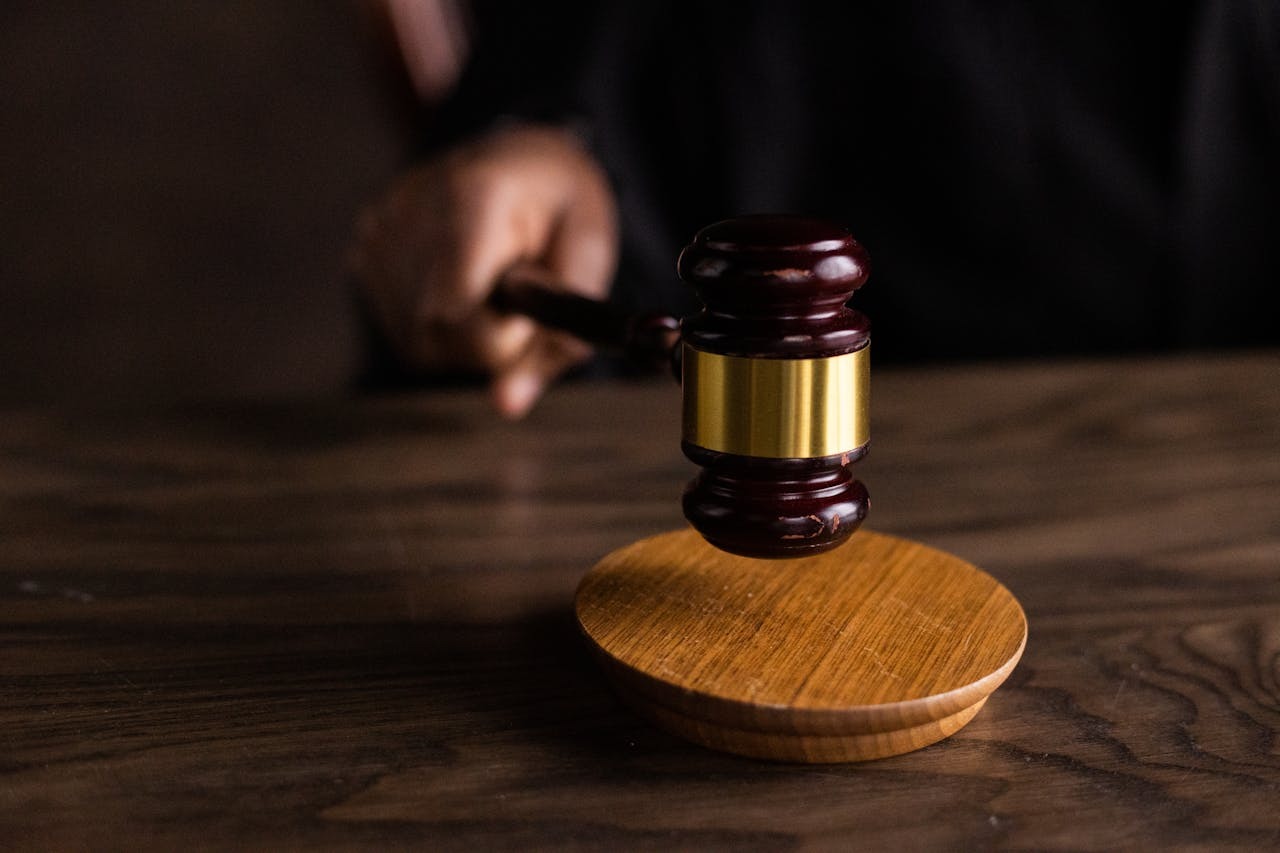
The judicial system operates on a framework for evaluating evidence that’s been refined through centuries of legal practice. It’s not just about presenting information, courts must carefully examine every piece to ensure verdicts rest on materials that are reliable, relevant, and legally obtained. This meticulous process safeguards the justice system’s integrity while protecting everyone’s rights in legal proceedings. Judges and juries don’t work in the dark here. They receive extensive guidance on weighing different types of evidence, looking at factors like credibility, reliability, and what lawyers call “probative value. ” The standards shift depending on whether you’re dealing with a civil or criminal case. Criminal cases demand proof beyond a reasonable doubt, that high bar everyone’s heard about.
Types of Evidence Examined in Legal Proceedings
Walk into any courtroom, and you’ll encounter numerous categories of evidence, each with its own evaluation criteria and admissibility standards. Direct evidence, think eyewitness testimony or video recordings, provides straightforward proof without requiring mental gymnastics. It shows what happened, plain and simple.
Circumstantial evidence works differently. It asks judges and juries to connect the dots, drawing logical conclusions from established facts to piece together what likely occurred. Then there’s documentary evidence: contracts, emails, medical records, and business documents that must be authenticated before they make it into the court record. Physical evidence brings tangible objects into play, weapons, clothing, biological samples, all requiring chain of custody verification to ensure nothing’s been tampered with.
The Role of Admissibility Standards
Here’s where things get interesting: before evidence can influence court decisions, it must pass through stringent admissibility requirements designed to filter out unreliable or prejudicial information. The Federal Rules of Evidence, along with corresponding state rules, establish detailed criteria governing whether particular evidence can reach judges or juries.
Relevance serves as the first hurdle. Evidence must have a logical tendency to make disputed facts more or less probable than they’d be without it. But relevance alone isn’t enough. The probative value must substantially outweigh any potential for unfair prejudice, confusion, or jury manipulation.
Credibility Assessment and Witness Evaluation
Evaluating witness credibility? That’s one of the toughest jobs fact, finders face in courtroom settings. They’ve got to juggle numerous factors when determining how much weight to give testimony: the witness’s opportunity to observe events, memory accuracy, and any potential biases or motivations lurking beneath the surface.
Consistency matters tremendously here. When a witness’s current testimony aligns with prior statements, that builds credibility. Significant contradictions, though? They raise red flags about unreliability or dishonesty. The witness’s demeanor, composure, responsiveness, apparent sincerity, provides additional layers of information. Legal professionals who understand the question “can body language be used as evidence?” recognize that nonverbal cues can significantly influence jury perceptions and credibility assessments. Corroboration from other evidence sources strengthens witness credibility, while conflicts with established facts can diminish it substantially. Cross-examination serves as the ultimate testing ground, exposing weaknesses, biases, or inconsistencies. Jurors receive instructions emphasizing their role as ultimate credibility judges, they’re empowered to believe all, part, or none of any witness’s testimony based on their assessment of trustworthiness and accuracy.
Expert Evidence and Scientific Standards
Expert testimony requires specialized scrutiny because of its potential significant impact on case outcomes and the technical complexity involved. Courts apply rigorous standards, like the Daubert test in federal courts, to ensure expert opinions rest on reliable scientific foundations and appropriate methodologies.
Judges become gatekeepers here, determining whether proposed expert testimony is based on sufficient facts or data, reliable principles and methods, and proper application of those principles to case-specific facts. The expert’s qualifications undergo careful examination: education, training, experience, professional standing. All of it gets vetted to verify competence in the relevant field. Peer review, publication in reputable journals, known error rates, and general acceptance within the scientific community all factor into reliability assessments.
The Burden of Proof and Standard of Review
Different legal contexts demand varying levels of certainty before courts can render decisions, creating distinct burdens of proof that fundamentally shape evidence evaluation. Criminal prosecutions impose the highest standard, beyond a reasonable doubt, meaning the evidence must leave fact, finders firmly convinced of the defendant’s culpability. There’s no room for lingering uncertainty here.
Civil cases operate under a different framework. They typically employ the preponderance of evidence standard, where plaintiffs must demonstrate their version of events is more likely true than not, a probability exceeding fifty percent. Some civil matters involve intermediate standards like clear and convincing evidence, demanding higher certainty than preponderance but falling short of criminal prosecution requirements. The party bearing the burden of proof must present sufficient evidence to meet the applicable standard, while opposing parties need only create reasonable doubt or prevent that burden from being satisfied.
Conclusion
Evidence evaluation in court represents a multifaceted process that balances competing interests while seeking accurate and just outcomes. Courts apply sophisticated analytical frameworks considering evidence type, admissibility standards, witness credibility, scientific reliability, and applicable burdens of proof to reach informed decisions. This rigorous system protects fundamental rights, maintains judicial integrity, and promotes public confidence in legal proceedings.

5 Ways Healthcare Is Putting Patients First

The Ultimate Guide to MMA Shin Guards

The Hidden Reasons Behind Constipation

Which UK Visa Do You Need to Marry? Fiancé Visa or Marriage Visitor Visa

Essential Gear for New Beekeepers: Building Your First Apiary Kit

A First-Timer’s Guide to Exploring the Na Pali Coast by Boat

What Is Child Custody? A Legal Guide for Parents

Best Affordable Projector Buying Guide for Smart Home Entertainment in 2026

Bus to JB: Cheapest Ticket, Daily Schedule & Tips

The Legal Importance of Correct NADRA Records for Dual Nationals

Nick Schmit? The Man Behind Jonathan Capehart Success

Christina Erika Carandini Lee: A Life of Grace, Heritage, and Privacy

Trey Kulley Majors: The Untold Story of Lee Majors’ Son

Jamie White-Welling: Bio, Career, and Hollywood Connection Life with Tom Welling

Api Robin: The Quiet Force Supporting Celeste Barber

Linda Bazalaki — Life After the Crown, Miss Uganda 1993

Melanie Sergiev: The Woman Behind Drew Lynch’s Success Story

Vera Davich: The Enigmatic Life of Scott Patterson’s First Wife

Kamiri Gaulden: What You Should Know About NBA YoungBoy

Talia Elizabeth Jones: Her Life, Parents, and Connection to Davy Jones
5 Ways Healthcare Is Putting Patients First
The Ultimate Guide to MMA Shin Guards
The Hidden Reasons Behind Constipation
Which UK Visa Do You Need to Marry? Fiancé Visa or Marriage Visitor Visa
Essential Gear for New Beekeepers: Building Your First Apiary Kit
A First-Timer’s Guide to Exploring the Na Pali Coast by Boat
What Is Child Custody? A Legal Guide for Parents
Best Affordable Projector Buying Guide for Smart Home Entertainment in 2026
Bus to JB: Cheapest Ticket, Daily Schedule & Tips
The Legal Importance of Correct NADRA Records for Dual Nationals
-
 Celebrity8 months ago
Nick Schmit? The Man Behind Jonathan Capehart Success
-
 Celebrity9 months ago
Christina Erika Carandini Lee: A Life of Grace, Heritage, and Privacy
-
 Celebrity9 months ago
Trey Kulley Majors: The Untold Story of Lee Majors’ Son
-
 Celebrity9 months ago
Jamie White-Welling: Bio, Career, and Hollywood Connection Life with Tom Welling