
Business
The Ultimate Guide to MMA Shin Guards

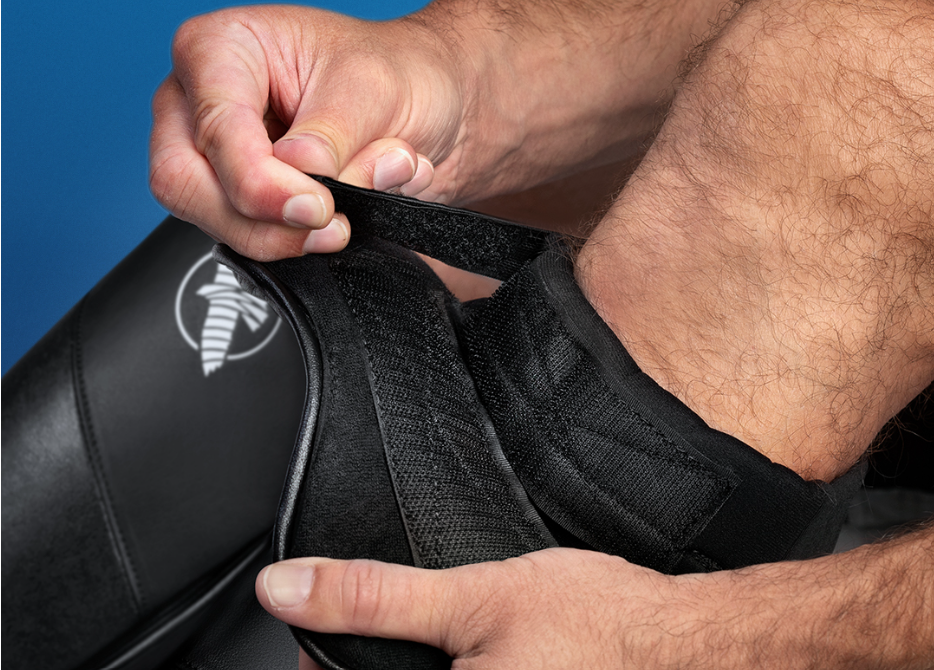
If you’ve ever checked a kick with your bare shin or had a training partner’s knee meet your tibia during a scramble, you know that the “conditioning” phase of MMA shouldn’t involve bone-on-bone trauma. I’ve seen countless fighters sidelined not by knockouts, but by deep bone hematomas and micro-fractures that could have been avoided with the right gear.
In the world of kickboxing leg safety, your shin guards are more than just foam pads; they are precision tools that allow you to throw and check kicks with 100% confidence. To truly level up, you need to understand the physics of impact and why MMA shin guard tips always emphasize the “why” behind the padding density.
The Science of Tibial Protection: Dispersion vs. Absorption
Your tibia is a superficial bone, meaning there is very little muscle or fat to cushion it. When you land a kick, the energy travels in a wave.
- The Goal: You need a guard that disperses that energy across the entire surface area of the pad rather than letting it penetrate to the bone.
- The Material: Cheaper guards use open-cell foam (like a sponge) that collapses under heavy impact. Professional-grade Hayabusa shin guards utilize high-resiliency foam that maintains its structural integrity even after thousands of high-velocity impacts.
Proper shin protection in MMA is about finding the balance between being a “tank” and being a “ninja.” If the guard is too thick, you lose the ability to grapple; if it’s too thin, you’re essentially fighting unprotected.
Types of Guards: Striking vs. Hybrid
Choosing the right guard depends on your training focus for the day.
1. The Stand-up/Striking Guard (Thai Style)
These are typically thicker and feature a more robust hook-and-loop closure. They are designed for heavy sparring where checking kicks is a primary focus. The Hayabusa T3 series falls into this category, offering a pre-curved design that wraps around the leg to prevent the guard from “spinning” mid-round.
2. The Hybrid/Grappling Guard (Sock Style)
For those moving from striking to the ground, a sock-style guard is often preferred as part of your Beginner MMA gear. These use a neoprene sleeve to stay in place. While they offer less impact protection than a T3, they allow for the full range of motion needed for triangles and armbars.
Fit and Sizing: The “Slide” Factor
The most common mistake I see is fighters wearing guards that are too long. If the guard touches the bottom of your kneecap, it will push down into your foot every time you bend your leg. If it’s too short, you leave the “sweet spot” of your ankle exposed.
Sizing Logic:
- Measure from just below your kneecap to the top of your foot.
- The guard should sit securely without moving. Hayabusa’s dual-strap system and inner silicone grip ensure that the guard stays locked to your shin, preventing the dangerous “twist” that exposes your bone during a check.
Maintenance: Keeping the Gear “Fresh”
Because shin guards are made of synthetic or genuine leather and foam, they are breeding grounds for bacteria.
- Wipe Down: Use a damp cloth and mild soap on the exterior after every session.
- Air Dry: Never leave your guards in your gym bag. Open the straps and let them air dry in a cool, ventilated space.
- Internal Care: Use a deodorizing spray specifically designed for combat gear to prevent the breakdown of the inner lining.
Conclusion: Invest in Your Longevity
You can’t practice your head kicks if you’re limping through the gym. High-quality shin guards allow you to train at a higher intensity with a lower risk of injury. Hayabusa has engineered their protective gear to meet the specific demands of the modern MMA athlete—durable, lightweight, and anatomically correct. Don’t wait for a bone bruise to realize the value of professional-grade protection.
🛡️ MMA Shin Guard FAQ
- Can I use my MMA shin guards for Muay Thai?
Absolutely. In fact, many Thai stylists prefer the T3 series because of the superior foot-to-shin transition padding.
- How do I know if my shin guards are “dead”?
Feel for soft spots. If the foam feels “mushy” or doesn’t spring back immediately after you press it, the air bubbles in the foam have popped, and the guard is no longer providing adequate kickboxing leg safety.
- Should I wear socks under my shin guards?
It’s personal preference, but most fighters go barefoot to maintain better “floor feel” and traction during pivots.
- Do I need different guards for the heavy bag?
Generally, no. You should be conditioning your shins on the bag without guards to build bone density, but for high-volume technical sessions, wearing your guards can prevent skin abrasions.
- Why does the T3 have a “full-back” design?
The full-back design provides a more secure fit and protects the calf muscle from stray kicks or “accidental” contact during grappling scrambles.

Creating Outdoor Spaces That Balance Comfort, Atmosphere, and Weather Resilience

How NetSuite Automates Revenue Recognition

Business Professionals: Key Considerations in Microsoft Exchange Server Integration for Search

The Lifestyle Habits That Actually Help Your Skin Look Healthier and More Radiant

Tips on Getting the Most Out of Your Settlement

Standardizing Calibration Workstations for Automated Quality Control

5 Ways Healthcare Is Putting Patients First

The Ultimate Guide to MMA Shin Guards

The Hidden Reasons Behind Constipation

Which UK Visa Do You Need to Marry? Fiancé Visa or Marriage Visitor Visa

Christina Erika Carandini Lee: A Life of Grace, Heritage, and Privacy

Nick Schmit? The Man Behind Jonathan Capehart Success

Trey Kulley Majors: The Untold Story of Lee Majors’ Son

Jamie White-Welling: Bio, Career, and Hollywood Connection Life with Tom Welling

Api Robin: The Quiet Force Supporting Celeste Barber

Melanie Sergiev: The Woman Behind Drew Lynch’s Success Story

Linda Bazalaki — Life After the Crown, Miss Uganda 1993

Vera Davich: The Enigmatic Life of Scott Patterson’s First Wife

Kamiri Gaulden: What You Should Know About NBA YoungBoy

Madalynn Grace Galanti: Inside the Family Life of Lyssa Chapman
Creating Outdoor Spaces That Balance Comfort, Atmosphere, and Weather Resilience
How NetSuite Automates Revenue Recognition
Business Professionals: Key Considerations in Microsoft Exchange Server Integration for Search
The Lifestyle Habits That Actually Help Your Skin Look Healthier and More Radiant
Tips on Getting the Most Out of Your Settlement
Standardizing Calibration Workstations for Automated Quality Control
5 Ways Healthcare Is Putting Patients First
The Ultimate Guide to MMA Shin Guards
The Hidden Reasons Behind Constipation
Which UK Visa Do You Need to Marry? Fiancé Visa or Marriage Visitor Visa
-
 Celebrity10 months ago
Christina Erika Carandini Lee: A Life of Grace, Heritage, and Privacy
-
 Celebrity10 months ago
Nick Schmit? The Man Behind Jonathan Capehart Success
-
 Celebrity10 months ago
Trey Kulley Majors: The Untold Story of Lee Majors’ Son
-
 Celebrity11 months ago
Jamie White-Welling: Bio, Career, and Hollywood Connection Life with Tom Welling