
Health
The Hidden Reasons Behind Constipation

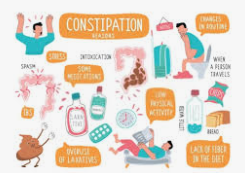
Constipation is a common digestive issue that affects millions of people worldwide. While occasional irregularity is normal, chronic constipation can interfere with daily life, causing discomfort, bloating, and fatigue. Most people assume that constipation is simply due to poor diet or lack of fiber. While these are contributing factors, the truth is that the underlying causes are often more complex than many realize.
Dietary Factors
Diet plays a major role in digestive health. Low fiber intake is one of the most well-known causes of constipation. Fiber adds bulk to stool and helps it pass more easily through the digestive tract. Without enough fruits, vegetables, whole grains, and legumes, stools can become hard and difficult to pass.
Dehydration is another dietary culprit. Water helps soften stool, making bowel movements easier. When fluid intake is insufficient, the body absorbs more water from the stool, leading to dryness and constipation. Additionally, excessive consumption of processed foods, cheese, and red meat can slow digestion, further contributing to irregularity.
Sedentary Lifestyle
Physical activity is not only important for cardiovascular health but also for digestive function. Movement stimulates intestinal contractions, helping push stool through the colon. Sedentary behavior, prolonged sitting, or lack of regular exercise can slow this process, increasing the likelihood of constipation. Even a daily 20–30 minute walk can make a noticeable difference in bowel regularity.
Medications and Supplements
Certain medications can interfere with normal bowel movements. Common culprits include opioids, some antacids containing aluminum or calcium, certain antidepressants, and iron or calcium supplements. While these medications may be essential for other health conditions, they can contribute to constipation. Always consult a healthcare professional if you notice changes in bowel habits after starting a new medication.
Underlying Medical Conditions
Sometimes, constipation signals a deeper medical issue. Conditions such as hypothyroidism, irritable bowel syndrome (IBS), and diabetes can affect bowel regularity. One condition that is less commonly discussed is Hashimoto’s disease, an autoimmune thyroid disorder. In addition to fatigue, weight changes, and other symptoms, Hashimoto’s can slow metabolism and digestive function, making constipation more likely. While managing Hashimoto’s involves specific treatment, addressing its effects on digestion can also improve bowel regularity.
Other gastrointestinal disorders, including colorectal blockages, diverticulitis, or nerve-related issues affecting the colon, can also lead to chronic constipation. These conditions often require medical evaluation to identify and treat the root cause effectively.
Stress and Mental Health
Stress may not seem directly related to digestion, but it significantly impacts gut function. The brain and gut are closely connected through the gut-brain axis, meaning mental health can influence bowel movements. Chronic stress, anxiety, or depression can slow intestinal motility, leading to constipation. Techniques like mindfulness, yoga, meditation, or therapy can help reduce stress and improve digestive health.
Hormonal Changes
Hormones also play a role in bowel regularity. Women may notice constipation during pregnancy or menstruation due to fluctuating hormone levels. Similarly, aging can slow metabolism and alter hormone balance, increasing the risk of constipation in older adults. Understanding these changes can help individuals take preventive steps, such as staying hydrated, maintaining a fiber-rich diet, and engaging in regular physical activity.
When to Seek Help
Most occasional constipation can be managed with lifestyle adjustments, but chronic or severe constipation should not be ignored. Persistent constipation can lead to complications such as hemorrhoids, anal fissures, or fecal impaction. If dietary and lifestyle changes do not improve bowel habits, or if constipation is accompanied by severe pain, blood in stool, or unexplained weight loss, it is important to consult a healthcare professional.
In Conclusion
Constipation is rarely caused by a single factor. Diet, hydration, lifestyle, medications, underlying health conditions like Hashimoto’s disease, stress, and hormonal changes can all contribute. Understanding these hidden causes is the first step toward effective management and relief. By addressing the root issues rather than only treating symptoms, individuals can enjoy improved digestive health and overall well-being.

Creating Outdoor Spaces That Balance Comfort, Atmosphere, and Weather Resilience

How NetSuite Automates Revenue Recognition

Business Professionals: Key Considerations in Microsoft Exchange Server Integration for Search

The Lifestyle Habits That Actually Help Your Skin Look Healthier and More Radiant

Tips on Getting the Most Out of Your Settlement

Standardizing Calibration Workstations for Automated Quality Control

5 Ways Healthcare Is Putting Patients First

The Ultimate Guide to MMA Shin Guards

The Hidden Reasons Behind Constipation

Which UK Visa Do You Need to Marry? Fiancé Visa or Marriage Visitor Visa

Christina Erika Carandini Lee: A Life of Grace, Heritage, and Privacy

Nick Schmit? The Man Behind Jonathan Capehart Success

Trey Kulley Majors: The Untold Story of Lee Majors’ Son

Jamie White-Welling: Bio, Career, and Hollywood Connection Life with Tom Welling

Api Robin: The Quiet Force Supporting Celeste Barber

Melanie Sergiev: The Woman Behind Drew Lynch’s Success Story

Linda Bazalaki — Life After the Crown, Miss Uganda 1993

Vera Davich: The Enigmatic Life of Scott Patterson’s First Wife

Kamiri Gaulden: What You Should Know About NBA YoungBoy

Madalynn Grace Galanti: Inside the Family Life of Lyssa Chapman
Creating Outdoor Spaces That Balance Comfort, Atmosphere, and Weather Resilience
How NetSuite Automates Revenue Recognition
Business Professionals: Key Considerations in Microsoft Exchange Server Integration for Search
The Lifestyle Habits That Actually Help Your Skin Look Healthier and More Radiant
Tips on Getting the Most Out of Your Settlement
Standardizing Calibration Workstations for Automated Quality Control
5 Ways Healthcare Is Putting Patients First
The Ultimate Guide to MMA Shin Guards
The Hidden Reasons Behind Constipation
Which UK Visa Do You Need to Marry? Fiancé Visa or Marriage Visitor Visa
-
 Celebrity10 months ago
Christina Erika Carandini Lee: A Life of Grace, Heritage, and Privacy
-
 Celebrity10 months ago
Nick Schmit? The Man Behind Jonathan Capehart Success
-
 Celebrity10 months ago
Trey Kulley Majors: The Untold Story of Lee Majors’ Son
-
 Celebrity11 months ago
Jamie White-Welling: Bio, Career, and Hollywood Connection Life with Tom Welling