
Blog
Native American Technology: Innovations, Ingenuity, and Timeless Influence

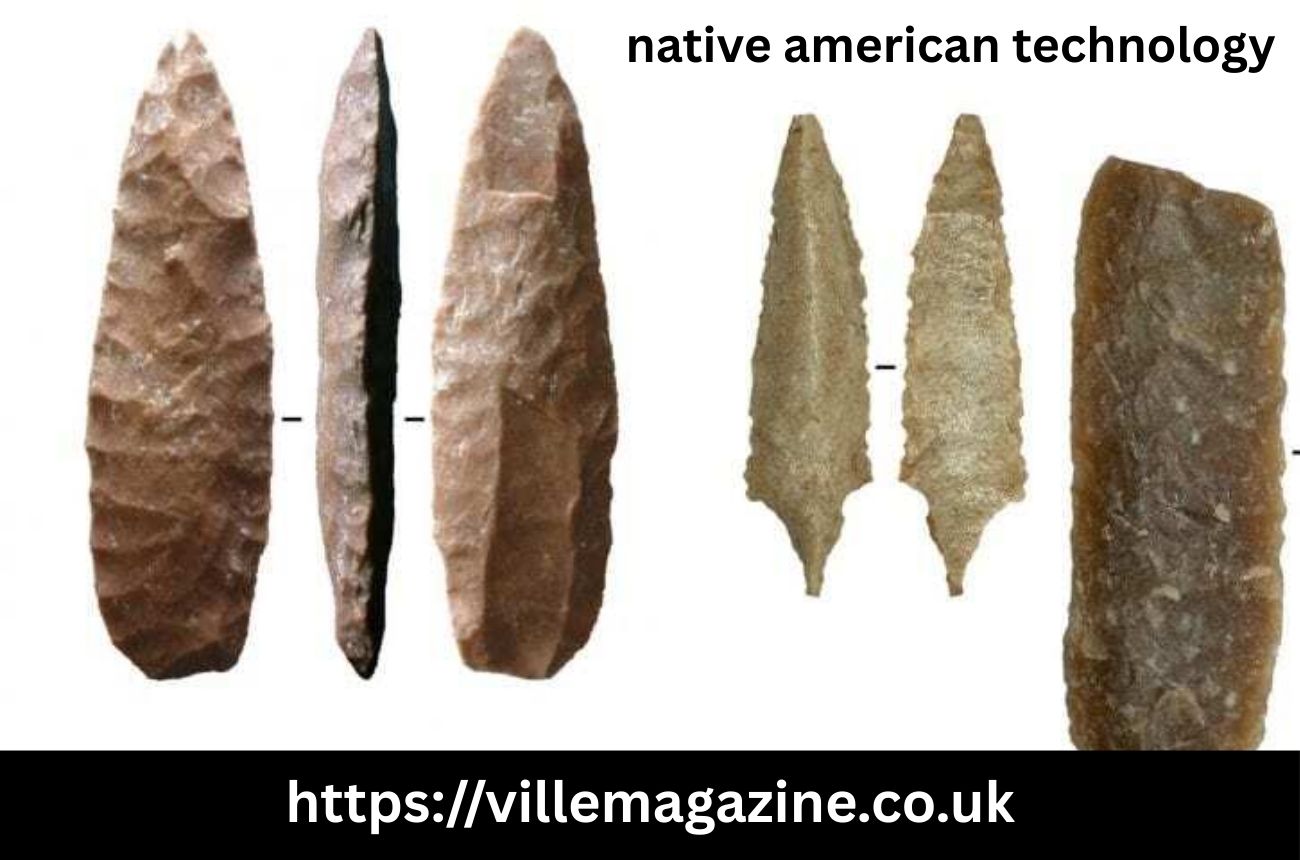
Native American technology represents one of the world’s most remarkable examples of human innovation adapting perfectly to environment, culture, and survival needs. Unlike the modern idea of technology as strictly digital, Native American technology reflects centuries of engineering, ecological intelligence, and sustainable craftsmanship. It encompasses tools, agricultural systems, architecture, transportation, communication, and resource management strategies that still influence modern science. As interest in indigenous knowledge systems grows in 2025, researchers are uncovering newly documented methods and refined understandings of how Native American tribes shaped complex technologies long before modern industry emerged.
Understanding the Foundations of Indigenous Innovation
At the heart of Native American technology lies a philosophy centered around harmony with the natural world. Instead of extracting resources wastefully, indigenous technologists approached innovation through observation, adaptation, and long-term ecological balance. This worldview allowed them to create tools and systems that operated efficiently without damaging their environment. New ethnographic studies in 2025 highlight that many tribes used natural algorithms—patterns observed in stars, animals, currents, and seasons—to guide technological development. These insights reveal that their innovations were not accidental but grounded in a deep scientific understanding of their ecosystems.
Agricultural Technologies That Transformed Civilizations
Native American agricultural technology is among the most influential in human history. The “Three Sisters” farming system—corn, beans, and squash planted together—was a biological engineering breakthrough. Corn provides height, beans fix nitrogen in the soil, and squash protects the ground with its large leaves. Modern researchers now classify this method as an early form of intercropping technology. Additionally, archaeological discoveries in 2024–2025 uncovered evidence that Mesoamerican and North American tribes developed highly precise genetic selection techniques. They selectively bred crops such as maize, tomatoes, and chili peppers, resulting in the varieties that dominate global agriculture today.
Engineering Water Systems and Environmental Management
From the Hohokam irrigation canals in the Southwest to the fish weirs of the Northeast, Native American water technologies demonstrate advanced engineering skill. The Hohokam, for example, designed canal networks stretching over 500 miles, using gradients accurate enough to rival modern surveying tools. New hydrological studies suggest these canals were engineered to self-clean by controlling flow speed—a technique only recently understood in modern irrigation design. Meanwhile, tribes such as the Yurok and Mi’kmaq engineered fish traps that guided spawning salmon sustainably, ensuring continuous harvest without ecosystem collapse. These examples prove that environmental technology existed long before industrial science.
Architectural Mastery: Structures Built for Climate and Community
Architecture was another cornerstone of Native American technology. Pueblo adobe structures were engineered with passive cooling methods, enabling interior comfort even in extreme desert heat. In contrast, the Iroquois longhouse served as a multifunctional building engineered for durability, ventilation, and family structure. The Inuit, living in Arctic conditions, built igloos using mathematical precision—each block carved to interlock perfectly, creating domed insulation superior to many modern shelters. Recent 2025 thermal-analysis studies show that the dome shape distributes heat evenly, proving that indigenous architectural technology incorporated physics long before it was formalized as a discipline.
Transportation Technologies Beyond the Modern Imagination
Transportation among Native American tribes was far more advanced than often acknowledged. The birchbark canoe, engineered by tribes of the Great Lakes, was lightweight, maneuverable, and waterproof—considered one of the most efficient boat designs ever created. The Plains tribes crafted travois systems for animal-assisted transport, while South American cultures designed rope bridges strong enough to last centuries. Recreated tests conducted in early 2025 demonstrate that these bridges could withstand stress loads comparable to modern suspension structures. Native American transportation technology was not merely functional—it was exceptionally innovative.
Hunting Tools and Weaponry with Advanced Aerodynamics
Native American technology also played a key role in the development of hunting tools and weaponry. The atlatl, or spear-thrower, amplified human throwing power through leverage, increasing speed and distance dramatically. New aerodynamic simulations run by researchers in 2025 indicate that atlatl darts reached velocities comparable to modern sport arrows. Similarly, bow technology varied by region: the short sinew-backed bow of the Plains generated high tension ideal for horseback hunting, while the Eastern Woodland longbow emphasized distance and precision. These innovations reveal sophisticated knowledge of physics and materials science.
Medicinal Technology and Botanical Engineering
Native American medicine was built on deep botanical knowledge. Tribes catalogued hundreds of plant species used for healing, long before “pharmacology” existed. Ethnobotanists today credit them for identifying plants still used in modern drugs. Recent field studies in 2025 uncovered previously undocumented combinations of herbs used for wound treatment, demonstrating early antimicrobial strategies. These healing methods relied on chemical extraction techniques—from boiling to drying and fermenting—that represent a form of biochemical technology often overlooked in mainstream history.
Communication Systems and Symbolic Technology
Long before digital communication, Native American tribes developed intricate symbolic systems. The Inca quipu used knotted cords to record numerical data, functioning as a portable database. The Plains tribes utilized pictographs, wampum belts, and signal fires as early encryption methods. Modern scholars analyzing these systems in 2025 now argue that they operated as early information-storage technologies, similar in purpose to contemporary data encoding. These communication tools demonstrate that technology does not always require machinery—it requires structured knowledge.
Textile Technology and Materials Science
Weaving, tanning, and textile production were sophisticated technological systems in indigenous cultures. Tribes developed high-strength fibers from yucca, cedar bark, and bison sinew, each processed through systematic steps akin to modern materials engineering. In the Andes, the Inca produced textiles with thread counts so fine that they are compared to luxury fabrics today. New microscopic textile analysis in 2025 reveals weaving patterns that functioned like temperature regulators, demonstrating the advanced scientific foundation of indigenous textile technology.
Ceramics, Metallurgy, and Artistic Technology
Pottery technologies varied widely across tribes, each style engineered for specific uses such as cooking, water storage, or ceremonial functions. Southwestern tribes created black-on-black pottery using controlled oxygen-reduction firing—an innovation still admired by modern ceramicists. Metallurgy also existed, especially among Andean cultures who mastered cold-hammering gold, copper, and silver long before European arrival. These artistic technologies were not merely decorative; they were functional systems grounded in chemical and thermal principles.
The Revival of Native American Technology in 2025
In recent years, universities, engineers, and environmental scientists have turned to Native American technology for sustainable solutions. Water conservation strategies, ecological farming, biodegradable materials, and climate-responsive architecture are being re-examined through indigenous knowledge systems. New research partnerships formed in 2025 highlight that Native American engineering models could guide sustainable construction, forest management, and renewable resource cycles worldwide. The modern revival of Native American technology underscores its relevance to future technological development.
Conclusion
Native American technology is more than a collection of old tools—it is a vast, intelligent system of environmental engineering, scientific experimentation, and cultural knowledge. Its influence stretches into agriculture, architecture, medicine, transportation, and sustainability practices. As we continue uncovering newly documented methods and technological insights in 2025, it becomes clear that indigenous innovation holds powerful relevance for a world searching for ecological balance and efficient design. Understanding and respecting Native American technology not only honors the past—it equips us with the wisdom to build a smarter, more sustainable future.

5 Ways Healthcare Is Putting Patients First

The Ultimate Guide to MMA Shin Guards

The Hidden Reasons Behind Constipation

Which UK Visa Do You Need to Marry? Fiancé Visa or Marriage Visitor Visa

Essential Gear for New Beekeepers: Building Your First Apiary Kit

A First-Timer’s Guide to Exploring the Na Pali Coast by Boat

What Is Child Custody? A Legal Guide for Parents

Best Affordable Projector Buying Guide for Smart Home Entertainment in 2026

Bus to JB: Cheapest Ticket, Daily Schedule & Tips

The Legal Importance of Correct NADRA Records for Dual Nationals

Nick Schmit? The Man Behind Jonathan Capehart Success

Christina Erika Carandini Lee: A Life of Grace, Heritage, and Privacy

Trey Kulley Majors: The Untold Story of Lee Majors’ Son

Jamie White-Welling: Bio, Career, and Hollywood Connection Life with Tom Welling

Api Robin: The Quiet Force Supporting Celeste Barber

Melanie Sergiev: The Woman Behind Drew Lynch’s Success Story

Linda Bazalaki — Life After the Crown, Miss Uganda 1993

Vera Davich: The Enigmatic Life of Scott Patterson’s First Wife

Kamiri Gaulden: What You Should Know About NBA YoungBoy

Talia Elizabeth Jones: Her Life, Parents, and Connection to Davy Jones
5 Ways Healthcare Is Putting Patients First
The Ultimate Guide to MMA Shin Guards
The Hidden Reasons Behind Constipation
Which UK Visa Do You Need to Marry? Fiancé Visa or Marriage Visitor Visa
Essential Gear for New Beekeepers: Building Your First Apiary Kit
A First-Timer’s Guide to Exploring the Na Pali Coast by Boat
What Is Child Custody? A Legal Guide for Parents
Best Affordable Projector Buying Guide for Smart Home Entertainment in 2026
Bus to JB: Cheapest Ticket, Daily Schedule & Tips
The Legal Importance of Correct NADRA Records for Dual Nationals
-
 Celebrity9 months ago
Nick Schmit? The Man Behind Jonathan Capehart Success
-
 Celebrity9 months ago
Christina Erika Carandini Lee: A Life of Grace, Heritage, and Privacy
-
 Celebrity9 months ago
Trey Kulley Majors: The Untold Story of Lee Majors’ Son
-
 Celebrity10 months ago
Jamie White-Welling: Bio, Career, and Hollywood Connection Life with Tom Welling