
Blog
Creating Outdoor Spaces That Balance Comfort, Atmosphere, and Weather Resilience

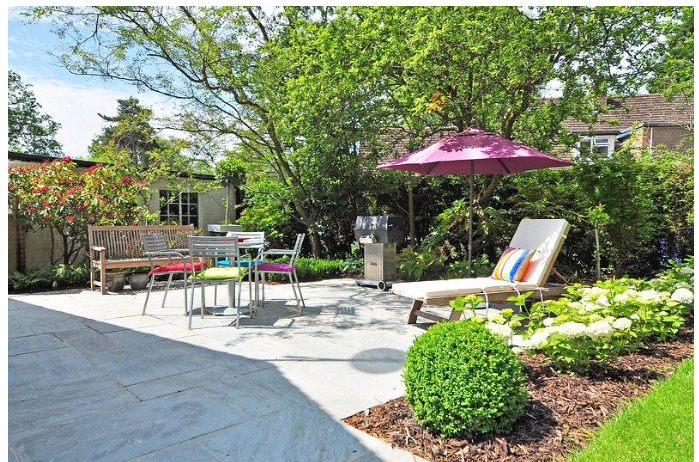
Outdoor living has become an essential part of modern home design, but creating a space that truly works requires more than attractive furniture or decorative touches. The most successful outdoor areas combine comfort, atmosphere, and resilience—ensuring they remain usable and inviting regardless of changing conditions.
Homeowners are increasingly recognizing that outdoor spaces should function like an extension of the home itself. This means designing environments that feel comfortable, adaptable, and capable of withstanding environmental challenges without constant upkeep.
Why Outdoor Comfort Depends on Smart Design
Comfort in an outdoor space isn’t accidental—it’s the result of thoughtful planning. Factors such as shade, layout, and material choice all influence how the space feels throughout the day. Without proper planning, even the most visually appealing setup can become uncomfortable or impractical.
Designing for comfort involves anticipating how the space will be used. Whether it’s for quiet relaxation or social gatherings, the layout should support movement, accessibility, and ease of use. This ensures that the space remains inviting at all times.
Creating a Space That Feels Like an Outdoor Room
One effective approach is to treat the outdoor area as a true extension of the home. Ideas shared in outdoor room design inspiration emphasize how layering elements such as lighting, seating, and textures can create a cohesive environment.
When these elements are combined thoughtfully, the space feels more structured and comfortable, encouraging more frequent use.
The Importance of Weather-Ready Design
Weather is one of the biggest factors affecting outdoor usability. Exposure to sun, rain, and wind can quickly limit how often a space is used. Designing with weather resilience in mind ensures that outdoor areas remain functional throughout the year.
Guidance from preparing homes for changing weather conditions highlights the importance of durability and protection. Applying these principles outdoors helps prevent damage while improving long-term usability.
By addressing environmental challenges early, homeowners can avoid costly repairs and maintain a more reliable space.
Planning for Changing Conditions
Weather patterns can be unpredictable, making flexibility an important consideration. Features that provide protection and adaptability allow outdoor spaces to remain comfortable in a variety of conditions.
This approach ensures that the space can be enjoyed regardless of seasonal changes.
Using Covered Structures to Enhance Protection and Comfort
Covered structures are one of the most effective ways to improve both comfort and resilience in outdoor spaces. They provide shelter from harsh sunlight and rain while defining functional zones within the layout. These features make it possible to use the space consistently, rather than only during ideal conditions.
Homeowners seeking durable and well-integrated solutions often explore options like alumawood pergola services from providers such as Royal Covers, where structural reliability is paired with thoughtful design. These structures can be customized to suit different layouts, ensuring they complement the overall aesthetic.
By incorporating covered areas, outdoor spaces become more versatile and better equipped to handle environmental challenges.
Strategic Placement for Maximum Benefit
The effectiveness of a covered structure depends largely on its placement. Positioning it to protect high-use areas—such as seating or entry points—can significantly improve comfort. Proper placement also helps maintain the flow of the space, ensuring that it remains open and accessible.
Careful planning ensures that these structures enhance the design rather than disrupt it.
Balancing Atmosphere With Practical Function
Atmosphere plays a key role in how an outdoor space is experienced. Elements such as lighting, textures, and color choices contribute to the overall mood, making the space feel more inviting. However, these features should always be balanced with practical considerations.
Decorative elements should enhance usability rather than interfere with it. For example, lighting can improve both ambiance and visibility, while durable fabrics can add comfort without requiring constant maintenance.
When atmosphere and function are aligned, the result is a space that feels both beautiful and practical.
Choosing Materials That Withstand the Elements
Material selection is critical in outdoor design. Surfaces and structures must be able to endure exposure to weather while maintaining their appearance. Choosing the right materials reduces maintenance and extends the lifespan of the space.
Options such as treated metal, weather-resistant fabrics, and sealed surfaces offer durability without sacrificing style. These materials are designed to handle environmental stress while remaining visually appealing.
Investing in quality materials ensures that the space remains functional and attractive over time.
Reducing Long-Term Maintenance
Low-maintenance materials can significantly simplify upkeep. Features that resist wear and require minimal cleaning allow homeowners to enjoy their space without constant effort.
This not only saves time but also preserves the overall look of the design.
Creating Flow Between Indoor and Outdoor Spaces
A seamless transition between indoor and outdoor areas enhances the overall experience of a home. When these spaces are visually and functionally connected, they feel like parts of a unified environment.
Consistent design elements, such as color schemes and materials, help create this connection. These details make transitions feel natural and encourage more frequent use of outdoor spaces.
This integration adds both comfort and value to the home.
Designing for Long-Term Usability
Outdoor spaces should be designed with longevity in mind. This means considering how the space will perform over time and how it can adapt to changing needs. Flexible layouts and durable features contribute to long-term usability.
Covered structures, multi-purpose areas, and resilient materials all play a role in creating a space that remains functional for years. By planning ahead, homeowners can avoid frequent updates and enjoy a more stable design.
This forward-thinking approach ensures that the space continues to deliver value.
Maximizing Everyday Use
Ultimately, the goal of outdoor design is to create a space that is used regularly. By combining comfort, protection, and thoughtful layout, homeowners can create environments that support daily living.
When a space is both inviting and practical, it naturally becomes a central part of the home.
Conclusion
Designing an outdoor space that balances comfort, atmosphere, and resilience requires a thoughtful approach. By focusing on weather protection, durable materials, and cohesive design, homeowners can create environments that remain functional and inviting throughout the year.
The most successful outdoor spaces are those that adapt to changing conditions while maintaining their visual appeal. With careful planning and intentional choices, these areas can become lasting extensions of the home, offering comfort and usability in every season.

Creating Outdoor Spaces That Balance Comfort, Atmosphere, and Weather Resilience

How NetSuite Automates Revenue Recognition

Business Professionals: Key Considerations in Microsoft Exchange Server Integration for Search

The Lifestyle Habits That Actually Help Your Skin Look Healthier and More Radiant

Tips on Getting the Most Out of Your Settlement

Standardizing Calibration Workstations for Automated Quality Control

5 Ways Healthcare Is Putting Patients First

The Ultimate Guide to MMA Shin Guards

The Hidden Reasons Behind Constipation

Which UK Visa Do You Need to Marry? Fiancé Visa or Marriage Visitor Visa

Christina Erika Carandini Lee: A Life of Grace, Heritage, and Privacy

Nick Schmit? The Man Behind Jonathan Capehart Success

Trey Kulley Majors: The Untold Story of Lee Majors’ Son

Jamie White-Welling: Bio, Career, and Hollywood Connection Life with Tom Welling

Api Robin: The Quiet Force Supporting Celeste Barber

Melanie Sergiev: The Woman Behind Drew Lynch’s Success Story

Linda Bazalaki — Life After the Crown, Miss Uganda 1993

Vera Davich: The Enigmatic Life of Scott Patterson’s First Wife

Kamiri Gaulden: What You Should Know About NBA YoungBoy

Madalynn Grace Galanti: Inside the Family Life of Lyssa Chapman
Creating Outdoor Spaces That Balance Comfort, Atmosphere, and Weather Resilience
How NetSuite Automates Revenue Recognition
Business Professionals: Key Considerations in Microsoft Exchange Server Integration for Search
The Lifestyle Habits That Actually Help Your Skin Look Healthier and More Radiant
Tips on Getting the Most Out of Your Settlement
Standardizing Calibration Workstations for Automated Quality Control
5 Ways Healthcare Is Putting Patients First
The Ultimate Guide to MMA Shin Guards
The Hidden Reasons Behind Constipation
Which UK Visa Do You Need to Marry? Fiancé Visa or Marriage Visitor Visa
-
 Celebrity10 months ago
Christina Erika Carandini Lee: A Life of Grace, Heritage, and Privacy
-
 Celebrity10 months ago
Nick Schmit? The Man Behind Jonathan Capehart Success
-
 Celebrity10 months ago
Trey Kulley Majors: The Untold Story of Lee Majors’ Son
-
 Celebrity11 months ago
Jamie White-Welling: Bio, Career, and Hollywood Connection Life with Tom Welling