
Business
Essential Gear for New Beekeepers: Building Your First Apiary Kit

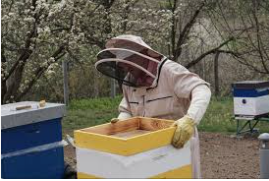
Starting with bees is equal parts curiosity, caretaking, and craft. Your first season will teach you how colonies grow, what they need, and how your presence can either steady or unsettle them. The right gear makes that learning curve smoother. It protects you, helps you move calmly, and supports the routine tasks that keep a young colony healthy. Consider the list below a practical foundation for building an apiary kit that works from your very first inspection.
Protective Clothing That Lets You Stay Calm
Calm is a beekeeper’s most useful tool, and it begins with feeling protected. Many beginners choose a full suit because it offers coverage from head to ankle and removes guesswork about clothing seams or exposed gaps. A ventilated suit is helpful in warm climates where heat can quickly build during midday inspections. If a full suit feels excessive, a zippered jacket with an integrated veil paired with sturdy work pants can work well for backyard hives.
Your veil is nonnegotiable. Whether you prefer a fencing style veil that sits close to the face or a round veil with more clearance, make sure the zipper meets cleanly and that you practice putting it on without assistance. A pair of light boots or work shoes rounds out the outer layer. Tuck cuffs securely and check closures before you approach the hive. For hand protection, choose beekeeping gloves that balance dexterity and confidence. Many new keepers start with soft leather for security, then shift to thinner options as they grow comfortable with gentle handling.
Tools for Opening and Calming the Hive
Two tools will be with you at every inspection. The hive tool is a flat pry bar designed to separate boxes, lift frames, and scrape burr comb and propolis. Choose one with a strong bevel and a comfortable grip. Keep it clean to prevent spreading disease between colonies. The smoker is the other constant companion. Cool smoke helps mask alarm pheromones and encourages bees to move downward, which gives you working space at the top of the boxes.
Fuel choice matters. Natural materials like untreated burlap, pine needles, and wood shavings produce a cool, steady smoke that lasts through a full inspection. Practice lighting and maintaining the smoker away from the hive so you do not waste focus when you are working the colony. Bring a lighter and a spare fuel bundle in a tin. After use, close the smoker and set it on a nonflammable surface until fully extinguished.
Frame Handling, Feeding, and Gentle Bee Management
A frame grip gives you leverage to lift heavy frames with less twisting. It is especially helpful when honey stores increase later in the season. A soft bee brush is useful for moving bees off frames without harm. Brush slowly, or better yet, use a gentle puff of smoke and a light shake to return bees to the box before brushing.
Most new colonies benefit from early feeding while they draw comb and before local nectar flows peak. An internal feeder, such as a top feeder or frame feeder, helps reduce robbing because it does not expose syrup to the open air. Keep extra jars and lids ready so you can swap quickly and limit the time the hive is open. A simple entrance reducer can help small colonies defend themselves and hold warmth in cool evenings. A queen excluder is optional during the first season, but knowing how to place and remove one will be useful if you plan to add honey supers later.
Inspection Aids and Record Keeping
Good records turn observations into decisions. Bring a notebook that can live in your tote, or use a phone app that timestamps each visit. Record queen sightings, temperament, brood pattern, food stores, and anything you change, such as adding a box or adjusting the feeder. A small voice memo or photo can be quicker than writing while you are wearing gear. Review your notes before your next visit so you approach the hive with a plan.
A small flashlight helps you see eggs in the bottoms of cells, especially on cloudy days. A pocket thermometer and a simple weather note can explain differences in bee behavior from one inspection to the next. For varroa monitoring, keep a powdered sugar jar or an alcohol wash kit, along with a white tray or sticky board. Learning the rhythm of mite checks early sets a habit that protects colonies long term.
Hygiene, First Aid, and Safe Handling
Healthy bees depend on a clean workspace. Carry unscented wipes for your hands and tools. A dilute bleach or alcohol spray in a clearly labeled bottle can sanitize your hive tool between colonies. Avoid strong personal fragrances and hair products on inspection days, since unfamiliar scents can distract or agitate a colony.
A compact first aid kit belongs in every apiary tote. Include adhesive bandages, saline wash, and an antihistamine approved by your physician. If you or a family member has a known allergy, discuss an emergency plan with your doctor before the season starts and store any prescribed medication where you can reach it quickly. Hydration matters more than most beginners expect. Bring water, set the bottle in shade, and rest briefly if you begin to feel overheated. Bees respond to pace and posture. Slow movements, steady breathing, and a clear path for closing the hive create harmony during and after your visit.
Storage, Transport, and a Field‑Ready Tote
A well-organized tote saves time and keeps gear in good condition. Choose a sturdy bucket or tool bag with dividers. Place the smoker and fuel in a metal pail to isolate heat. Store your hive tool, lighter, frame grip, bee brush, notebook, wipes, and small first aid kit in separate compartments so nothing snags the veil or leaves residue on your gloves.
A clean tarp or folded sheet can serve as an impromptu work surface to set frames, boxes, or tools without putting them on damp grass. Heavy duty trash bags are useful for collecting burr comb and for covering equipment if a light rain starts. Keep a spare set of clothing in your vehicle so you can change if you become sticky from syrup or melted wax. After each session, brush off your suit, hang it to air out, and check zippers and elastic. A few minutes of care now extends the life of your equipment and keeps inspections pleasant.
Conclusion
Your first apiary kit is a blend of protection, precision, and preparation. Protective clothing and a reliable veil help you stay calm. A hive tool and smoker make hives easier to open and bees easier to work. Frame handling aids, feeders, and gentle management tools keep colony stress low. Simple record keeping turns observations into meaningful plans, while hygiene and first aid keep you and your bees safe. Organizing everything in a field‑ready tote ensures you arrive prepared and leave the apiary with your gear in good order. With these essentials in place, you will be ready to learn from your bees and support them with confidence throughout your first season.

How Newly Arrived Immigrants in the UK Can Stay Financially Compliant

Top Health Colleges in the Middle East in 2026

What Really Happens When Pet Food Passes Its Expiry Date

How Dry and Wet Pet Food Are Made and Why Ingredients Matter

Tennis Chain Durability: Diamond Setting, Structural Strength, and Long-Term Wear

3 Steps to a Successful Quinceanera

Building Stronger Communities Through Corporate Partnerships

Understanding Professional Networks for Expert Knowledge

General Audience: Key Considerations When Evaluating Ai Orchestration by Ba Insight

Creating Outdoor Spaces That Balance Comfort, Atmosphere, and Weather Resilience

Christina Erika Carandini Lee: A Life of Grace, Heritage, and Privacy

Trey Kulley Majors: The Untold Story of Lee Majors’ Son

Nick Schmit? The Man Behind Jonathan Capehart Success

Jamie White-Welling: Bio, Career, and Hollywood Connection Life with Tom Welling

Linda Bazalaki — Life After the Crown, Miss Uganda 1993

Api Robin: The Quiet Force Supporting Celeste Barber

Melanie Sergiev: The Woman Behind Drew Lynch’s Success Story

Vera Davich: The Enigmatic Life of Scott Patterson’s First Wife

Kamiri Gaulden: What You Should Know About NBA YoungBoy

Talia Elizabeth Jones: Her Life, Parents, and Connection to Davy Jones
How Newly Arrived Immigrants in the UK Can Stay Financially Compliant
Top Health Colleges in the Middle East in 2026
What Really Happens When Pet Food Passes Its Expiry Date
How Dry and Wet Pet Food Are Made and Why Ingredients Matter
Tennis Chain Durability: Diamond Setting, Structural Strength, and Long-Term Wear
3 Steps to a Successful Quinceanera
Building Stronger Communities Through Corporate Partnerships
Understanding Professional Networks for Expert Knowledge
General Audience: Key Considerations When Evaluating Ai Orchestration by Ba Insight
Creating Outdoor Spaces That Balance Comfort, Atmosphere, and Weather Resilience
-
 Celebrity1 year ago
Christina Erika Carandini Lee: A Life of Grace, Heritage, and Privacy
-
 Celebrity1 year ago
Trey Kulley Majors: The Untold Story of Lee Majors’ Son
-
 Celebrity1 year ago
Nick Schmit? The Man Behind Jonathan Capehart Success
-
 Celebrity1 year ago
Jamie White-Welling: Bio, Career, and Hollywood Connection Life with Tom Welling