
Business
Restoration Done Right: How Businesses Can Rebuild After Damage

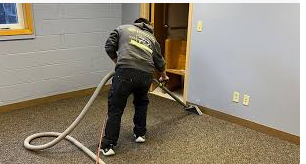
When disaster strikes a business, whether it’s a burst pipe flooding the office or a storm tearing through your warehouse, the aftermath can leave you feeling paralyzed. Commercial properties aren’t like homes; they face unique challenges that demand immediate action and smart planning to minimize losses and keep things running. Understanding the proper restoration process isn’t just helpful, it’s crucial for protecting your investment, maintaining operations, and coming out stronger on the other side. Here’s the thing: the difference between bouncing back quickly and suffering through months of downtime often comes down to how fast and effectively you start the restoration work.
Understanding the Full Scope of Commercial Property Damage
Business property damage runs deeper than what you can see at first glance. You’re dealing with structural integrity issues, equipment that’s stopped working, lost inventory, and operational disruptions that ripple into serious financial consequences. Take water infiltration, for example, it doesn’t just create puddles. It compromises building foundations, promotes dangerous mold growth, and destroys valuable assets while bringing your business operations to a grinding halt.
Here’s what many business owners don’t realize: visible damage represents just a fraction of the total impact. Hidden moisture lurks behind walls, compromised electrical systems pose ongoing safety risks, and air quality issues can persist long after you’ve cleaned up the obvious mess. That’s why conducting thorough damage assessments with qualified professionals isn’t optional, it’s essential for ensuring nothing gets overlooked during restoration planning.
Immediate Response: The Critical First 24-48 Hours
Those first hours following property damage? They’re make-or-break time for your restoration success. Quick action during this critical window can dramatically reduce overall costs and minimize how long you’re out of commission. Your emergency response should include immediate water extraction, temporary structural stabilization, power disconnection if necessary, and securing the property against further environmental exposure or unauthorized access. Don’t skip the documentation step, photograph everything and write detailed descriptions before any cleanup begins.
Getting communication going within the first day matters tremendously. Reach out to insurance providers, restoration professionals, and key stakeholders to coordinate efforts and streamline the recovery process. Temperature and humidity control becomes paramount during these initial hours, particularly when water damage is involved, since improper environmental conditions can accelerate deterioration and create perfect conditions for microbial growth. Many businesses learn the hard way that delays during this critical period exponentially increase both restoration complexity and associated costs, don’t let that be you.
Developing a Comprehensive Restoration Strategy
Creating an effective restoration plan means balancing immediate stabilization needs with long-term recovery goals while keeping operational continuity and financial constraints in mind. A well-designed strategy starts with professional damage assessment that identifies all affected areas, evaluates structural integrity, and prioritizes restoration tasks based on safety requirements and business needs. This assessment phase should involve multiple specialists, structural engineers, industrial hygienists, and restoration technicians, who can provide expertise across different damage categories and catch issues others might miss.
Your restoration plan must address more than physical repairs. You’ll need to consider equipment replacement, inventory restoration or disposal, and temporary operational solutions that keep the business functioning during recovery. When flooding or leaks compromise commercial spaces, professionals who need to coordinate complex recovery efforts often partner with a water damage restoration company for your business to ensure comprehensive mitigation and reconstruction services. Establishing realistic timelines helps manage stakeholder expectations while providing clear milestones for measuring progress and adjusting strategies as needed.
Financial planning represents another crucial component. You’ll need to coordinate insurance, allocate budget resources, and identify potential funding sources for expenses that exceed coverage limits. Smart business owners also incorporate lessons learned from the incident into their restoration strategy, implementing improvements that enhance future resilience against similar events, turning a setback into an opportunity for upgrade.
Navigating Insurance Claims and Documentation Requirements
Insurance claims for commercial property damage often prove more complicated than residential claims, requiring meticulous documentation, industry-specific knowledge, and persistent advocacy to secure appropriate settlements. Notify your insurance carriers immediately, but don’t stop there, begin comprehensive damage documentation that goes beyond basic requirements. Detailed inventories of damaged equipment, materials, and products should include purchase dates, original costs, current values, and photographic evidence showing condition before and after the incident.
Maintaining organized records of all restoration, related expenses matters tremendously. This includes emergency services, temporary facility costs, and lost revenue documentation, everything that strengthens your claim and ensures maximum reimbursement. Many policies contain specific requirements regarding mitigation efforts, documentation deadlines, and contractor selection. Violating these requirements can jeopardize coverage or reduce settlement amounts, so read the fine print carefully.
Implementing Long-Term Recovery and Prevention Measures
Successful restoration extends beyond simply returning your property to its pre, damage condition. It’s about incorporating improvements and preventive measures that reduce vulnerability to future incidents. As reconstruction progresses, evaluate opportunities for upgrading building systems, improving drainage, enhancing structural reinforcement, and implementing modern safety technologies that weren’t present originally. Water detection systems, enhanced roofing materials, improved HVAC systems, and superior insulation don’t just prevent future damage, they may also qualify you for insurance premium reductions.
Developing comprehensive emergency response plans ensures that if disaster strikes again, your team knows exactly how to respond, whom to contact, and what steps to take for minimizing impact. Employee training on emergency procedures, equipment shutdown protocols, and damage documentation creates a resilient organizational culture that’s prepared for unexpected challenges. Regular maintenance schedules for critical building systems, seasonal inspections, and proactive repairs address minor issues before they escalate into major problems requiring extensive restoration. Smart businesses also review and update insurance coverage annually, ensuring policies reflect current property values, inventory levels, and operational realities that may have changed since the original policy inception.
Maintaining Business Continuity During Restoration
Keeping business operations functioning during restoration presents significant challenges, but it’s essential for preserving customer relationships, revenue streams, and market position. Developing continuity strategies should begin before disaster strikes, with predetermined alternative workspace options, data backup systems, and supply chain contingencies that activate automatically when needed. Communication becomes paramount during restoration periods, you’ll need transparent updates to customers, suppliers, employees, and other stakeholders about operational status, expected timelines, and temporary service arrangements.
Some businesses successfully implement partial operations by segregating unaffected areas from restoration zones, allowing continued productivity while repairs progress in damaged sections. Remote work arrangements, temporary facility rentals, or partnerships with complementary businesses can provide operational continuity solutions that maintain essential functions during recovery. Your marketing communications should frame the restoration positively, emphasizing improvements and upgrades rather than dwelling on damage, while managing customer expectations regarding any service limitations. Financial planning for continuity operations must account for the dual expenses of maintaining temporary arrangements while simultaneously funding restoration work, this requires careful cash flow management and potentially accessing business interruption insurance benefits to bridge the gap.
Conclusion
Rebuilding after business property damage demands more than simple repairs, it requires strategic thinking, professional expertise, comprehensive planning, and unwavering commitment to emerging stronger than before. The restoration journey challenges business owners to make critical decisions under pressure while balancing immediate needs against long-term objectives and financial realities. By understanding proper restoration protocols, responding swiftly to damage, developing comprehensive recovery strategies, and implementing preventive measures, businesses can transform devastating setbacks into opportunities for improvement and enhanced resilience. Success in restoration ultimately depends on recognizing that professional guidance, thorough documentation, and proactive planning make the difference between businesses that merely survive damage and those that thrive despite it.
For businesses looking to share recovery strategies, risk management insights, and operational resilience content with a broader professional audience, Blogs Network offers a strong publishing platform for distributing high quality business and industry focused articles. By using a trusted content network, brands can extend the reach of restoration and continuity focused content, strengthen authority in their niche, and connect with decision makers seeking reliable guidance on business recovery and long term resilience.

How Newly Arrived Immigrants in the UK Can Stay Financially Compliant

Top Health Colleges in the Middle East in 2026

What Really Happens When Pet Food Passes Its Expiry Date

How Dry and Wet Pet Food Are Made and Why Ingredients Matter

Tennis Chain Durability: Diamond Setting, Structural Strength, and Long-Term Wear

3 Steps to a Successful Quinceanera

Building Stronger Communities Through Corporate Partnerships

Understanding Professional Networks for Expert Knowledge

General Audience: Key Considerations When Evaluating Ai Orchestration by Ba Insight

Creating Outdoor Spaces That Balance Comfort, Atmosphere, and Weather Resilience

Christina Erika Carandini Lee: A Life of Grace, Heritage, and Privacy

Trey Kulley Majors: The Untold Story of Lee Majors’ Son

Nick Schmit? The Man Behind Jonathan Capehart Success

Jamie White-Welling: Bio, Career, and Hollywood Connection Life with Tom Welling

Linda Bazalaki — Life After the Crown, Miss Uganda 1993

Api Robin: The Quiet Force Supporting Celeste Barber

Melanie Sergiev: The Woman Behind Drew Lynch’s Success Story

Vera Davich: The Enigmatic Life of Scott Patterson’s First Wife

Kamiri Gaulden: What You Should Know About NBA YoungBoy

Talia Elizabeth Jones: Her Life, Parents, and Connection to Davy Jones
How Newly Arrived Immigrants in the UK Can Stay Financially Compliant
Top Health Colleges in the Middle East in 2026
What Really Happens When Pet Food Passes Its Expiry Date
How Dry and Wet Pet Food Are Made and Why Ingredients Matter
Tennis Chain Durability: Diamond Setting, Structural Strength, and Long-Term Wear
3 Steps to a Successful Quinceanera
Building Stronger Communities Through Corporate Partnerships
Understanding Professional Networks for Expert Knowledge
General Audience: Key Considerations When Evaluating Ai Orchestration by Ba Insight
Creating Outdoor Spaces That Balance Comfort, Atmosphere, and Weather Resilience
-
 Celebrity1 year ago
Christina Erika Carandini Lee: A Life of Grace, Heritage, and Privacy
-
 Celebrity1 year ago
Trey Kulley Majors: The Untold Story of Lee Majors’ Son
-
 Celebrity1 year ago
Nick Schmit? The Man Behind Jonathan Capehart Success
-
 Celebrity1 year ago
Jamie White-Welling: Bio, Career, and Hollywood Connection Life with Tom Welling